Airflow Teeth Polishing: Gentle Way to Lift Stains from Your Smile

If you live or work in London, you already know how quickly a day can blur into coffee runs, meetings, commutes, and the occasional “I’ll brush properly later.” Over time, those routines can leave their mark on your teeth in a very literal way: surface staining, a slightly dull finish, and that not-quite-fresh feeling that even good home care sometimes can’t fully shift.
That’s where Airflow teeth polishing comes in. Often described as a more modern, comfortable approach to professional cleaning, Airflow is designed to target surface stains and plaque around the gumline using a controlled stream of air, warm water, and a fine powder. It is not about changing the natural colour of your teeth (that’s whitening), but it can make teeth look noticeably brighter simply by removing the build-up that sits on top of enamel.
This guide keeps things general and practical—what Airflow is, what it’s good for, and how to decide if it suits you.
What is Airflow teeth polishing?
Airflow is a professional dental hygiene technique used to clean teeth efficiently and gently. Instead of relying only on traditional hand instruments and abrasive polishing pastes, Airflow uses a calibrated spray (air + water + powder) to:
-
Remove surface stains from foods and drinks
-
Disrupt and clear plaque biofilm (the soft, sticky layer that forms on teeth)
-
Clean tricky areas that can be hard to reach with brushing alone
Many London clinics offer Airflow as part of a hygiene visit, either as a standalone polish or alongside scale-and-polish treatments.
Airflow vs teeth whitening: the difference matters
A common point of confusion is whether Airflow is “whitening.” It’s better to think of it as stain removal rather than colour change.
-
Airflow removes external stains and build-up on the tooth surface. Teeth often look brighter afterwards because the natural enamel is revealed more clearly.
-
Whitening uses peroxide-based gels to lighten the internal shade of the tooth structure, changing the underlying colour.
If your main issue is coffee/tea staining or general dullness, Airflow can be a satisfying improvement without committing to whitening. If you want a bigger shade change, whitening might be the better fit—often after a professional clean.
Who is Airflow teeth polishing ideal for?
Airflow tends to work well for people who want a cleaner look and feel, particularly if they notice staining building up between visits. You may be a good candidate if you:
You drink stain-causing beverages
Coffee, tea, red wine, and cola are common culprits. In London, coffee culture alone keeps hygienists busy.
You smoke or vape
Tobacco use can cause stubborn surface staining. A professional clean can reduce the visible staining, though new stains will return if the habit continues.
You have braces, aligners, or retainers
Orthodontic appliances create extra plaque-trap zones. Airflow can help freshen and clean around these areas (your clinician will choose the safest approach for your specific appliance).
You have dental implants, crowns, or veneers
Airflow can be selected carefully around restorations. The key is that your hygienist uses the right powder and settings for your materials.
You want a more comfortable hygiene appointment
Many patients describe Airflow as gentler than traditional polishing, especially if they find standard methods unpleasant.
What happens during an Airflow appointment?
While each clinic has its own process, a typical hygiene visit in London may include:
1) Initial assessment
Your hygienist checks gum health, visible plaque, inflammation, and areas of staining. They may measure gum pockets if needed.
2) Scale (if required)
If you have hardened calculus (tartar), Airflow alone won’t remove it. Scaling—often with ultrasonic instruments—may come first.
3) Airflow polishing
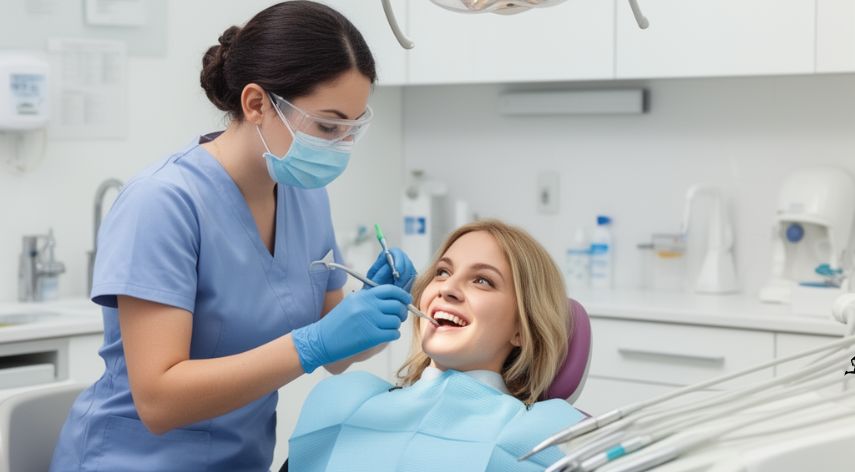
The Airflow spray is directed across the tooth surfaces and along the gumline to lift stain and biofilm. The clinician works methodically to cover each area.
4) Rinse and review
You’ll rinse, and the clinician will show improvements, highlight any areas that need better daily cleaning, and recommend the best interval for your next visit.
Does Airflow hurt?
For most people, Airflow is described as comfortable. That said, sensitivity can vary. You might notice mild discomfort if you have:
-
Gum inflammation or bleeding
-
Exposed tooth roots
-
Significant sensitivity to cold
Clinics can adjust technique, use warm water, and focus on patient comfort. If you know you’re sensitive, mention it before the appointment—there are usually simple ways to make the experience easier.
How long do results last?
Airflow results depend heavily on habits. If you drink coffee daily, stains can reappear faster than someone who rarely consumes stain-causing foods. As a general guide:
-
Results can look fresh for weeks to a few months, depending on diet and home care.
-
Regular hygiene visits (commonly every 3–6 months, or as advised) help maintain the clean finish.
Is Airflow safe for enamel?
When performed by a trained professional using appropriate settings and powder, Airflow is generally considered enamel-friendly for routine cleaning. The clinician’s choice of powder matters, especially for patients with sensitivity, gum issues, or dental restorations.
The bigger safety takeaway is simple: don’t try to replicate Airflow at home with abrasive “DIY polishing” methods. Overly abrasive products can wear enamel and irritate gums if misused.
How to keep that “just-cleaned” feeling for longer
Airflow is a reset, but daily habits determine how long the freshness lasts. A few practical moves:
-
Brush twice daily with a fluoride toothpaste, focusing on the gumline
-
Clean between teeth daily (floss or interdental brushes)
-
Rinse with water after coffee or tea when you can
-
If you’re stain-prone, consider using a straw for cold drinks
-
Don’t overuse abrasive whitening toothpastes—ask your hygienist what’s appropriate
Choosing an Airflow provider in London: what to look for
London has plenty of clinics offering Airflow, so it helps to choose based on quality rather than convenience alone. Consider:
-
A clinician who explains whether you need scaling before polishing
-
Clear hygiene pricing and appointment length
-
Experience working around restorations (implants/crowns/veneers)
-
A personalised recall plan based on your gum health
-
Strong patient reviews that mention comfort and thoroughness
If you’re unsure, book a hygiene assessment first—good clinicians will tell you what’s needed and what isn’t.
Final thoughts
Airflow teeth polishing has become popular in London for a reason: it’s a modern, user-friendly way to lift everyday stains, remove biofilm, and restore that clean, smooth feel—often with a gentler experience than traditional polishing alone.
If your goal is a fresher, brighter-looking smile without the commitment of whitening, Airflow can be a smart, low-friction step. And if you’re considering whitening later, starting with a professional clean is often the best foundation for more even, satisfying results.

Alfred Williams, a distinguished business writer, navigates the corporate landscape with finesse. His articles offer invaluable insights into the dynamic world of business. Alfred's expertise shines, providing readers with a trustworthy guide through the complexities of modern commerce.
Recommended For You
In the heart of the City of London, maintaining excellent oral health is essential for busy professionals and residents alike.
If you’re searching for “composite bonding near me” in London, it’s important to know what truly sets a clinic apart.

Cancer affecting the urinary tract and male reproductive organs requires specialized care. This is where uro-oncology plays a crucial role.