
Crossbite: Causes, Symptoms, Treatment & Correction Options
Crossbite
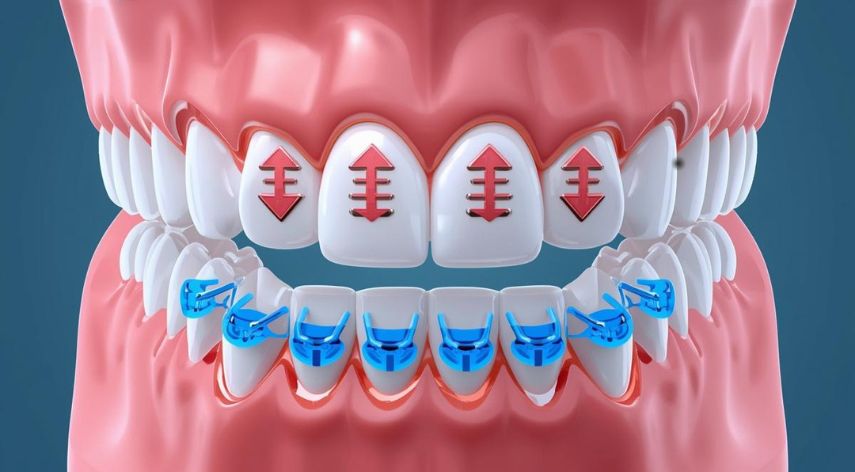
Wondering what is a crossbite? This specific condition involves an upper and lower teeth mismatch. A crossbite occurs when some upper teeth sit inside the lower teeth when the mouth is closed rather than overlapping them correctly. This dental bite imbalance affects both everyday oral function and long-term dental health.
What Is a Crossbite?
A crossbite is a malocclusion where one or more upper teeth rest inside the lower teeth when you bite together. Unlike a normal bite, this teeth misalignment creates a functional imbalance that negatively impacts chewing efficiency, enamel health, and overall facial symmetry.
A healthy mouth allows the upper and lower arches to meet evenly. In contrast, this dental bite imbalance disrupts everyday function. Tooth alignment differences force the jaw to shift sideways to close properly. Over time, altered jaw positioning causes unnecessary wear. Many patients exploring crossbite orthodontics want to know how to fix crossbite issues to prevent lasting dental complications.
Types of Crossbite
Anterior Crossbite
An anterior crossbite develops when the front upper teeth sit securely behind the front lower teeth. This specific misalignment creates functional challenges when biting into food. It also influences dental aesthetics, often prompting patients to seek corrective care early.
Posterior Crossbite
A posterior crossbite happens when the upper back teeth bite inside the lower back teeth. This malocclusion forces a chewing imbalance, increasing the risk of joint strain and uneven wear on the molars over time.
Crossbite Causes
Several factors determine why someone develops teeth misalignment. Genetics play a leading role, often dictating a jaw size imbalance that prevents arches from meeting correctly. A skeletal crossbite occurs when the upper jaw naturally grows narrower than the lower jaw.
Other common crossbite causes include delayed tooth eruption, which forces new teeth into incorrect positions. Childhood habits also influence development significantly. Prolonged dummy use, thumb sucking, and chronic mouth breathing alter the palate shape, directly contributing to this jaw alignment issue.
Symptoms of a Crossbite
Identifying a bite misalignment early helps prevent further complications. Common signs include uneven tooth wear, as the teeth grind against each other awkwardly. Patients frequently experience difficulty chewing food thoroughly. The altered bite path often leads to jaw discomfort and noticeable bite asymmetry.
In cases of a severe crossbite, the condition causes visible facial imbalance. Seeking professional assessment promptly helps manage these symptoms effectively.
Why Treat a Crossbite?
Leaving a jaw alignment issue unresolved leads to progressive dental concerns. An untreated malocclusion increases the tooth wear risk, stripping away protective enamel prematurely. The awkward biting forces also create significant gum stress, potentially leading to gum recession over time.
Furthermore, continuous strain from a bite imbalance progression often results in joint discomfort. Pursuing crossbite correction prevents these cascading issues. Intervening early protects long-term oral health and preserves the natural teeth.
Diagnosis and Assessment
Proper evaluation requires a clear clinical approach. A dentist performs a detailed bite examination to map how your upper and lower teeth meet. They conduct a thorough tooth position evaluation to pinpoint exactly which teeth require adjustment. Finally, a careful jaw alignment assessment helps determine whether the root cause lies in the teeth or the underlying bone structure.
Crossbite Treatment Options
Selecting the right approach depends heavily on the patient’s age, the condition’s severity, and whether the issue is structural or purely dental. Exploring crossbite treatment begins with a detailed evaluation. Effective therapies often involve carefully planned orthodontic care to realign the teeth and jaws seamlessly.
Crossbite Braces
Traditional fixed appliances offer a reliable method for complex teeth misalignment. Crossbite braces reposition teeth gradually using gentle, continuous pressure. During the process, elastics may help guide bite correction by pulling the upper and lower jaws into better alignment. Patients seeking Orthodontics in London frequently utilise this method to resolve complex jaw alignment issues.
Invisalign for Crossbite
Clear aligner therapy presents a discreet alternative for suitable patients. By using Invisible braces, patients gently shift their teeth into the correct positions. An invisalign crossbite plan works effectively for mild to moderate cases. Many patients ask, can invisalign fix crossbite issues? Yes, provided the misalignment is primarily dental rather than a severe skeletal discrepancy.
Treatment for Skeletal Crossbite
Managing a complex structural mismatch requires addressing the underlying bone alongside tooth alignment. Severe jaw misalignment cases often demand combined orthodontic treatment approaches. While braces or aligners move the teeth, additional appliances help widen the upper jaw. Resolving extreme upper and lower teeth mismatch requires careful, staged planning to ensure functional harmony.
Stability and Long-Term Management
Achieving a balanced bite is only part of the journey. The importance of the retention phase cannot be overstated. Wearing retainers helps maintain the newly aligned teeth, effectively preventing relapse. For younger patients, continuously monitoring jaw development ensures the dental bite imbalance does not return as they grow. Successful malocclusion management relies heavily on this dedicated aftercare.
Crossbite Before and After
Patients typically notice significant changes following successful therapy. The bite improvement enhances daily comfort, allowing teeth to meet harmoniously. Functional chewing improvement follows, reducing strain on the joints and digestive system. Resolving the upper and lower teeth mismatch also provides excellent smile balance. Viewing a Smile Gallery demonstrates realistic crossbite before and after transformations.
Prevention
While not all jaw alignment issues are avoidable, proactive steps help reduce the risks. Early orthodontic assessment identifies potential problems before they worsen. Managing oral habits, such as stopping dummy use or thumb sucking early, prevents unnatural palate shaping. Actively monitoring jaw growth in children allows dental professionals to intervene promptly. Understanding these developmental factors empowers parents, though it is important to clarify that not all structural malocclusions are preventable.
When to See a Dentist About a Crossbite
Prompt professional evaluation protects your long-term oral health. You should seek advice if you experience difficulty chewing or persistent jaw discomfort. Uneven tooth wear or visible bite misalignment also indicate a need for a thorough assessment. Visiting a private dentist in London provides the comprehensive evaluation necessary to understand your options. We provide transparent guidance on treatment fees to help you plan your care.
Book a consultation today to discuss your jaw alignment issue and find the right path forward.
FAQ Section
What is a crossbite in adults?
A crossbite in adults involves established teeth and jaw misalignment that developed during childhood but remained untreated. Because adult jawbones have stopped growing, correcting the issue focuses on moving the teeth rather than guiding bone development. Treatment improves oral function, protects enamel from wear, and reduces joint strain effectively.
Can crossbite return after treatment?
Yes, teeth can slowly shift back toward their original positions after treatment ends. Dental professionals call this movement orthodontic relapse. Wearing your prescribed retainers diligently helps hold the teeth securely in their new alignment. Proper retention protocols provide the best defence against a returning bite misalignment.
At what age should crossbite be treated?
Dental professionals recommend treating bite issues as soon as they identify them, often starting around age seven. Treating young children allows professionals to guide jaw growth more easily. However, teenagers and adults also achieve excellent functional improvements through modern corrective therapies.
Is crossbite a serious dental problem?
Leaving this malocclusion untreated often leads to progressive dental complications. The constant awkward pressure damages tooth enamel and places excessive force on the gums. Over time, the uneven bite contributes to jaw joint discomfort, persistent headaches, and difficulty chewing certain foods comfortably.
How long does crossbite treatment take?
Correction timelines vary based on the severity of the bite imbalance. Mild cases often require between six to twelve months of active alignment. More complex structural discrepancies may take eighteen to twenty-four months to resolve fully. Your dentist provides a precise timeline during your initial assessment.
Can Invisalign fix crossbite in adults?
Clear aligners effectively correct mild to moderate dental misalignments in adults. The custom trays apply precise pressure to move specific teeth into proper alignment. However, aligners alone cannot resolve severe skeletal imbalances where the underlying jaw size causes the primary mismatch.
Does crossbite affect jaw alignment?
Yes, this condition frequently forces the lower jaw to shift to one side when closing the mouth. This unnatural movement compensates for the colliding teeth. Over time, this constant shifting strains the jaw joints, alters facial symmetry, and creates ongoing muscle tension.
What causes skeletal crossbite?
A skeletal mismatch occurs when the upper jaw bone grows narrower than the lower jaw bone. Genetics primarily dictate this bone development discrepancy. Unlike dental cases involving only crooked teeth, this structural difference requires therapies that physically widen the upper palate to achieve balance.
Do children outgrow a crossbite?
Children rarely outgrow a true bite misalignment without professional intervention. As permanent teeth erupt, the improper jaw positioning often becomes more pronounced. Early evaluation ensures the problem does not progress into a more complex structural issue requiring extensive correction later in life.
Is surgery always required for severe crossbite?
Surgery is not always necessary, even for severe cases. Many complex misalignments respond well to combined orthodontic therapies, such as fixed braces and palatal expanders. Maxillofacial surgery remains an option only for extreme structural discrepancies that non-surgical methods cannot physically resolve.

Lareal Young is a legal professional committed to making the law more accessible to the public. With deep knowledge of legislation and legal systems, she provides clear, insightful commentary on legal developments and public rights, helping individuals understand and navigate the complexities of everyday legal matters.
Browse by Category
- Travel
- Technology & Gadgets
- Sports & Games
- Software
- Shopping
- Reviews
- Real Estate
- Numerology
- News
- Make Money
- Lifestyle
- Law
- Home Improvement
- Health
- Gardening
- Games
- Finance
- Entertainment
- Education
- Digital Marketing
- Diet and Fitness
- Dental
- Dating
- Construction
- Celebrity
- Career and Jobs
- Business
- blog
- Angel Number