EGFR Blood Test: What Your Results Mean
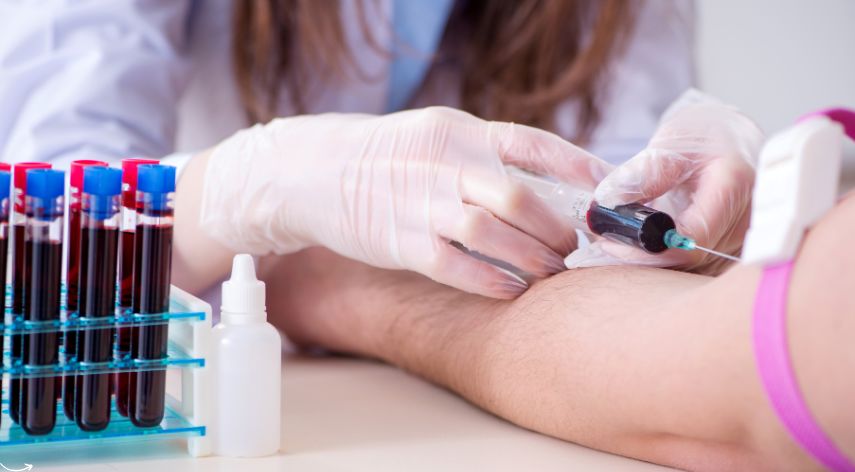
If you’ve recently had a blood test and noticed ‘eGFR’ on your report, here’s everything you need to know. The eGFR, or Estimated Glomerular Filtration Rate, is a crucial diagnostic tool that helps assess how well your kidneys are functioning. For many people in London juggling busy lives, kidney health might not be top of mind—until something goes wrong. Yet, early detection of kidney issues, often identified through the eGFR blood test, can make all the difference.
This simple test plays a vital role in identifying chronic kidney disease (CKD) before symptoms even appear. In this blog, we’ll break down what eGFR means, explain its normal range, and explore the implications of high or low results. Whether you’re curious about your latest kidney function test or simply want to stay informed, this guide will help you understand your kidney health better.
What is eGFR in a Blood Test?
So, what exactly is eGFR? In simple terms, it stands for Estimated Glomerular Filtration Rate, and it measures how efficiently your kidneys filter waste from your blood. Think of your kidneys as your body’s natural filtration system—they remove toxins, excess fluids, and waste products so you can stay healthy. When their performance starts to decline, as indicated by a reduced eGFR value, it’s often an early warning sign of trouble ahead.
The eGFR calculation uses several factors, including serum creatinine levels (a waste product produced by muscles), along with your age, sex, and body size. Creatinine builds up in your blood when your kidneys aren’t working properly, making it a key marker for kidney function. While eGFR doesn’t provide an exact measurement, it offers a reliable estimate that doctors use to assess kidney health. It’s commonly part of routine testing, especially when checking kidney function in people at higher risk of developing kidney issues.
For anyone living in London, where stress, fast-paced lifestyles, and dietary habits can sometimes take a toll on overall health, understanding eGFR is essential. By keeping tabs on this number, you’re taking a proactive step toward safeguarding your long-term well-being. After all, catching kidney issues early gives you more options for treatment and prevention.
Why is the eGFR Blood Test Important?
Now that we know what eGFR is, let’s talk about why it matters so much. Imagine being able to spot a potential health issue before it becomes serious—that’s exactly what the eGFR test does for your kidneys. Many kidney-related conditions, like chronic kidney disease (CKD), diabetes-related kidney damage, and hypertension-induced kidney problems, develop silently without noticeable symptoms until they’ve progressed significantly.
By detecting these issues early through regular eGFR testing, doctors can intervene sooner, potentially slowing down or halting the progression of kidney disease. This is particularly important for groups at higher risk, such as older adults, people with diabetes, and those with high blood pressure. If left unchecked, declining kidney function can lead to complications like kidney failure, which may require dialysis or even a transplant.
In addition to diagnosing problems, the eGFR test also plays a critical role in monitoring kidney health over time. For instance, if someone has been diagnosed with CKD, their eGFR levels can help track whether their condition is stable or worsening. Abnormal results can prompt further investigations or lifestyle changes, empowering patients to take control of their health.
For Londoners who often balance hectic schedules with less-than-ideal diets, staying on top of kidney health through tools like the eGFR test could be a game-changer. Early action can save both time and money—and most importantly, preserve quality of life.
Understanding the Normal Range for eGFR
When you get your eGFR results back, they’ll typically fall into one of three categories based on milliliters per minute per 1.73 square meters (mL/min/1.73m²):
- Above 90: Considered normal kidney function. Great news—your kidneys are doing their job effectively!
- 60–89: Indicates mildly reduced kidney function. While not necessarily alarming, it may warrant closer monitoring, especially if other risk factors are present.
- Below 60: Suggests significantly reduced kidney function and is often used to diagnose chronic kidney disease (CKD). At this stage, medical attention is crucial.
It’s worth noting that eGFR values naturally decrease with age due to the gradual wear and tear on our bodies. However, a sharp drop outside the expected range could signal underlying health issues. Additionally, interpreting eGFR isn’t just about looking at the numbers—it’s also about considering other factors like creatinine levels and personal medical history.
For example, someone with a slightly lower eGFR but no other symptoms might simply need periodic check-ups, while another person with the same result and additional risk factors might require more immediate intervention. Always discuss your results with a healthcare professional to get the full picture.
What Does a Low eGFR Mean?
A low eGFR reading can understandably raise concerns, but it’s important to approach it calmly and methodically. Essentially, a low eGFR indicates that your kidneys aren’t filtering waste as efficiently as they should. This could stem from various causes, including:
- Chronic Kidney Disease (CKD): A progressive condition where kidney function declines over time.
- Diabetes: High blood sugar levels can damage the tiny blood vessels in the kidneys.
- Hypertension: Elevated blood pressure puts strain on the kidneys, impairing their ability to function.
- Dehydration: Temporary drops in eGFR can occur if you’re not drinking enough water.
- Acute Kidney Injury (AKI): Sudden kidney damage, often caused by infections, medications, or severe dehydration.
Persistently low eGFR readings are concerning because they suggest an increased risk of progressing to kidney failure. If you receive such results, the next steps usually involve consulting a doctor for further evaluation. Additional tests, like urine albumin-to-creatinine ratio (ACR), can provide more insight. Lifestyle changes, such as improving your diet, managing blood pressure, and staying hydrated, can also play a significant role in protecting your kidneys.
Remember, while a low eGFR is a red flag, it’s not a death sentence. With timely intervention and proper care, many people successfully manage their kidney health and avoid complications.
What Does a High eGFR Mean?
While low eGFR readings tend to grab attention, what about unusually high ones? Don’t worry—a high eGFR is generally less concerning than a low one. Often, younger individuals or pregnant women experience higher eGFR levels due to increased blood flow to the kidneys during these life stages.
However, in rare cases, extremely high eGFR values might indicate muscle loss or malnutrition. Since creatinine production depends on muscle mass, having less muscle tissue can artificially elevate eGFR results. Conditions like eating disorders or advanced age-related muscle wasting could contribute to this scenario.
That said, unless accompanied by other abnormalities or symptoms, a high eGFR is typically nothing to lose sleep over. Still, it’s always wise to discuss any unexpected results with your GP to rule out underlying issues.
How to Interpret Your eGFR Test Results
Understanding your eGFR results can feel overwhelming, but it doesn’t have to be. Here’s a quick breakdown:
- Above 90: Likely indicates healthy kidneys. Keep up good habits!
- 60–89: Mildly reduced function. Regular monitoring and minor lifestyle tweaks may be recommended.
- Below 60: Signifies CKD. Immediate medical attention is advised.
Context matters greatly when interpreting eGFR. Factors like age, gender, and pre-existing conditions influence what’s considered “normal” for each individual. For instance, an eGFR of 55 might be manageable for an elderly person but concerning for a young adult.
If your eGFR is slightly below normal, try not to panic. One-off fluctuations can happen due to temporary factors like dehydration. The key takeaway? Always discuss your results with a healthcare provider who knows your full medical history. They can guide you on whether further action is needed.
Lifestyle Tips to Improve Kidney Health
Taking care of your kidneys doesn’t have to be complicated. Small, consistent changes can go a long way:
- Stay Hydrated: Drink enough water daily, but avoid overdoing it. Aim for around 6–8 glasses unless otherwise advised.
- Eat Smart: Opt for a balanced diet rich in fruits, vegetables, lean proteins, and whole grains. Limit salt, processed foods, and sugary snacks.
- Manage Blood Pressure & Sugar Levels: These are major contributors to kidney damage. Regular monitoring and medication adherence (if prescribed) are key.
- Exercise Regularly: Physical activity boosts overall health and helps maintain a healthy weight. Even brisk walks count!
- Quit Smoking & Limit Alcohol: Both habits put extra strain on your kidneys. Cutting back reduces your risk of complications.
Regular check-ups are non-negotiable, especially if you fall into a high-risk category. Prevention truly is the best medicine.
Conclusion
To sum it up, the eGFR blood test is a powerful tool for assessing kidney health and catching potential problems early. Understanding your results empowers you to take charge of your well-being and make informed decisions. Remember, abnormal eGFR readings aren’t the end of the road—they’re a call to action. Discuss any concerns with your doctor, adopt healthier habits, and prioritize regular screenings. With timely intervention and proactive care, you can safeguard your kidney health and enjoy a vibrant, fulfilling life.

Alice Christina, a seasoned health writer, combines her passion for wellness with a strong foundation in evidence-based research. She crafts insightful content that empowers readers to make informed health decisions. Alice's expertise shines through her concise and reliable health articles.
Recommended For You

There’s nothing quite as debilitating as a severe toothache. Whether it strikes in the middle of the night, during an

For many people across the UK, visiting the dentist is not just an inconvenience—it’s a source of genuine fear and

In the heart of the City of London, maintaining excellent oral health is essential for busy professionals and residents alike.