Understanding Your Blood Test Report: A Step-by-Step Breakdown
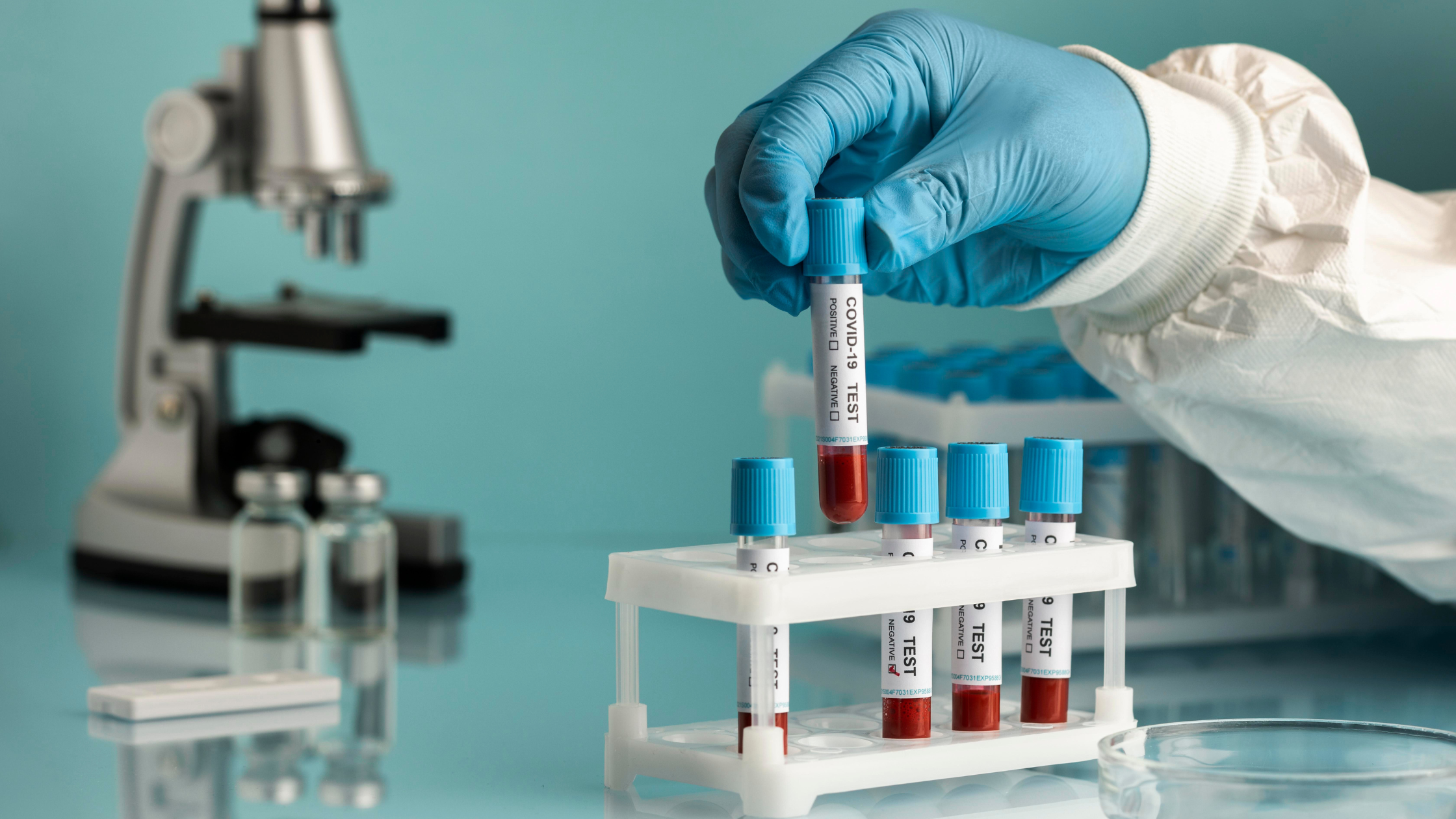
Blood tests play a crucial role in diagnosing, monitoring, and preventing health conditions. Whether you’re undergoing routine screening or investigating symptoms, understanding your blood test report can empower you to make informed health decisions. However, these reports often contain abbreviations, medical terminology, and numerical ranges that can feel overwhelming at first glance.
If you’ve recently undergone blood tests in london or elsewhere in the UK, this guide will help you understand what each section of your report means and how to interpret your results confidently.
Why Understanding Your Blood Test Matters
Your blood holds key insights into your overall health. It can reveal early signs of disease, track treatment progress, highlight nutrient deficiencies, and flag potential organ issues. Doctors rely heavily on blood biomarkers to diagnose conditions such as diabetes, thyroid disorders, anaemia, infections, and more.
By learning how to interpret your blood test results, you can:
- Spot abnormalities early
- Understand what your doctor is monitoring
- Take an active role in your health journey
- Discuss results confidently with healthcare professionals
Let’s break down the components of a typical blood test report and explain what each section reveals.
Step 1: Understanding Reference Ranges
Every blood test report includes reference ranges—these are the normal values for each biomarker based on age, sex, and population averages. Your results may appear:
- Normal (within range)
- High (above range)
- Low (below range)
A result outside the reference range does not necessarily indicate illness. It may be influenced by factors such as:
- Medications
- Stress
- Dehydration
- Recent meals
- Menstrual cycle
- Lifestyle habits
Doctors look for patterns rather than isolated numbers. Still, knowing what these ranges represent helps you interpret your report more accurately.
Step 2: Full Blood Count (FBC) / Complete Blood Count (CBC)
The FBC is one of the most important tests on your report. It evaluates your blood’s cellular components.
Key markers include:
- Haemoglobin (Hb)
Measures your blood’s oxygen-carrying capacity.
- Low levels: May indicate anaemia or nutritional deficiencies.
- High levels: Could suggest dehydration or lung-related conditions.
- Red Blood Cell Count (RBC)
Shows the number of red blood cells.
- Low RBC often correlates with anaemia.
- High RBC may be linked to chronic hypoxia or dehydration.
- White Blood Cell Count (WBC)
Indicates how your immune system is functioning.
- High WBC: Infection, inflammation, or stress.
- Low WBC: Immune suppression or bone marrow disorders.
- Platelets
Responsible for blood clotting.
- Low platelets: Increased bleeding risk.
- High platelets: Possible inflammation or bone marrow disorders.
Understanding your FBC helps assess your immune health, oxygen capacity, and clotting function.
Step 3: Liver Function Test (LFT)
Your liver plays a vital role in detoxification, digestion, and metabolism. The LFT section evaluates enzymes and proteins that indicate liver health.
Key markers include:
ALT & AST
Enzymes released when liver cells are damaged.
- High ALT/AST may signal fatty liver, alcohol-related damage, hepatitis, or medication effects.
ALP
Associated with the bile ducts and bones.
- High ALP could mean bile duct issues or bone disease.
Bilirubin
Breakdown product of red blood cells.
- High bilirubin can indicate liver dysfunction or gallbladder issues.
Albumin & Total Protein
Essential proteins for healing and immunity.
- Low levels may suggest malnutrition or chronic liver disease.
Step 4: Kidney Function Test
Healthy kidneys filter waste from your blood. The KFT panel evaluates how well they are performing.
Key markers include:
Creatinine
A waste product filtered by the kidneys.
- High creatinine often suggests impaired kidney function.
Urea (BUN)
Indicates how effectively kidneys remove waste.
- Elevated levels may reflect dehydration, kidney disease, or high protein intake.
eGFR (Estimated Glomerular Filtration Rate)
Shows how well kidneys are filtering.
- A low eGFR may indicate early or advanced kidney disease.
Step 5: Thyroid Function Test
Your thyroid influences metabolism, weight, energy, and mood.
Key markers include:
TSH (Thyroid-Stimulating Hormone)
Controls thyroid hormone production.
- High TSH: Possible hypothyroidism.
- Low TSH: Possible hyperthyroidism.
T3 & T4
Active thyroid hormones.
- Abnormal levels may indicate thyroid overactivity or underactivity.
Understanding thyroid markers is essential if you experience fatigue, weight changes, or mood fluctuations.
Step 6: Glucose and Diabetes Markers
Blood sugar tests help diagnose diabetes and monitor treatment.
Fasting Glucose
Measures glucose levels after fasting.
- High results indicate prediabetes or diabetes.
HbA1c
Shows average blood sugar over 2–3 months.
- Elevated HbA1c confirms long-term high blood sugar.
Step 7: Lipid Profile (Cholesterol Test)
Cholesterol levels reflect your risk for heart disease.
Key markers include:
Total Cholesterol
General measure of blood fats.
LDL (“Bad”) Cholesterol
High levels increase risk of heart disease.
HDL (“Good”) Cholesterol
Helps remove excess fats from the bloodstream.
Triglycerides
High levels are linked to pancreatitis and heart disease.
Step 8: Iron Studies
Iron levels affect oxygen transport and energy.
Ferritin
Shows iron stores. Low levels indicate deficiency.
Serum Iron & TIBC
These markers help diagnose anaemia or iron overload.
Step 9: Vitamin D Levels
Vitamin D affects bones, immunity, and mood.
Low levels are extremely common in the UK due to limited sunlight.
Step 10: Electrolytes Panel
Electrolytes regulate hydration, nerve function, and muscle activity.
Includes:
- Sodium
- Potassium
- Chloride
- Bicarbonate
Abnormal levels can indicate dehydration, kidney issues, or hormonal imbalances.
When Should You Be Concerned?
You should follow up with a doctor if your report shows:
- Persistently high or low markers
- Multiple abnormalities in one section
- Extreme values outside the reference range
- Symptoms such as fatigue, weight changes, swelling, or persistent pain
Always discuss concerns with a qualified healthcare professional rather than self-diagnosing.
Conclusion: Taking Charge of Your Health Through Knowledge
Understanding your blood test report gives you the power to spot early signs of health issues, monitor chronic conditions, and make informed choices about your lifestyle and wellbeing. Whether you’re checking cholesterol levels, thyroid hormones, or kidney function, your blood test can reveal vital clues about your internal health.
If you are searching for private blood tests in London, you can visit here.

Lareal Young is a legal professional committed to making the law more accessible to the public. With deep knowledge of legislation and legal systems, she provides clear, insightful commentary on legal developments and public rights, helping individuals understand and navigate the complexities of everyday legal matters.
Recommended For You

There’s nothing quite as debilitating as a severe toothache. Whether it strikes in the middle of the night, during an

For many people across the UK, visiting the dentist is not just an inconvenience—it’s a source of genuine fear and

In the heart of the City of London, maintaining excellent oral health is essential for busy professionals and residents alike.