Complete Lipid Profile: HDL, LDL, Triglycerides Explained
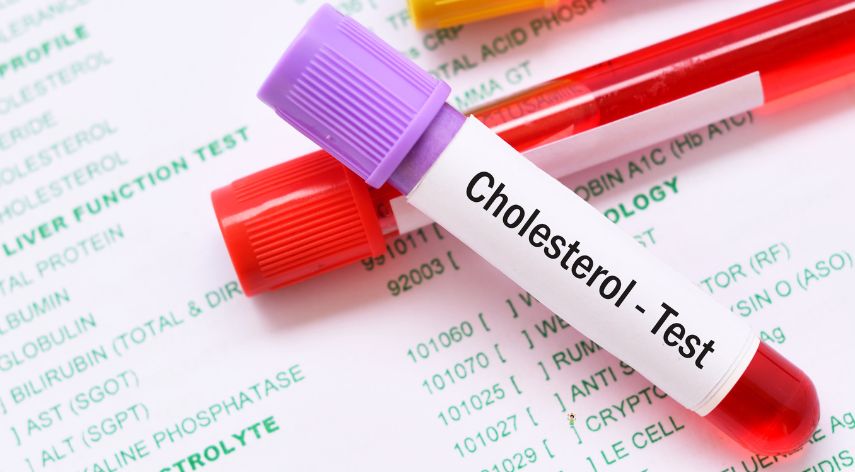
When your GP or a private clinic runs a routine blood check, a lipid profile is almost always on the list. While it is commonly referred to simply as a “cholesterol test,” this diagnostic tool actually measures several distinct types of fats in your bloodstream.
Monitoring your lipid levels is one of the most reliable ways for healthcare professionals to assess your cardiovascular health and identify early risks of heart disease or stroke. Understanding what these numbers mean allows you to take proactive, practical steps toward protecting your long-term health.
What is a Lipid Profile?
A Lipid Profile test measures the levels of fats (lipids) in your blood to help assess your cholesterol balance and overall cardiovascular health.
Lipids are essential fats found throughout your body. They serve as building blocks for cells and act as a vital energy source. However, because fat and water do not mix, these lipids cannot travel through your bloodstream on their own. Instead, they bond with proteins to form tiny transport packages called lipoproteins.
A complete lipid profile measures the concentration of these lipoproteins in your blood, usually calculated in millimoles per litre (mmol/L). Rather than looking at just one total number, the Lipid Profile test breaks down your cholesterol into specific components, each playing a different role in your cardiovascular health.
HDL Cholesterol: The Protective Element
High-Density Lipoprotein, or HDL, is widely known as “good” cholesterol. Its primary job is to act as your body’s internal cleanup crew.
HDL travels through your arteries, collects excess cholesterol that your cells have not used, and carries it back to your liver. Once there, the liver breaks down the surplus fat and filters it safely out of your body.
Having higher levels of HDL is highly beneficial. It actively helps prevent plaque buildup inside your blood vessels, keeping your arteries flexible and clear. If your HDL levels are low, your body faces a harder time clearing away excess fats, which can elevate your overall cardiovascular risk.
LDL Cholesterol: The Risk Factor
Low-Density Lipoprotein, or LDL, is frequently labelled “bad” cholesterol, though it does serve a biological purpose. LDL is responsible for carrying cholesterol from your liver out to the cells that need it for vital repairs and hormone production.
The issue arises when you have a surplus of LDL in your bloodstream. When levels are too high, the excess LDL can become trapped in the walls of your arteries. Over time, this fat oxidises and forms hard, narrow deposits known as plaque.
This narrowing of the arteries forces your heart to work significantly harder to pump blood. If a piece of this plaque breaks away, it can trigger a blood clot, potentially leading to a serious medical event such as a heart attack or a stroke. Minimising cardiovascular risk heavily relies on keeping this specific number within a healthy target range.
Triglycerides: Your Stored Energy
Triglycerides are the most common type of fat found in the human body, but they are entirely distinct from cholesterol. When you eat, your body converts any calories it does not need to use right away into triglycerides, which are then stored inside your fat cells.
Between meals, specific hormones release these triglycerides to provide your muscles and tissues with a steady stream of energy.
However, consistently consuming more calories than your body burns—particularly from refined sugars, carbohydrates, and alcohol—can cause triglyceride levels to spike. High levels of triglycerides are strongly linked to a thickening of the arterial walls and are often an early indicator of metabolic issues, such as insulin resistance or fatty liver disease.
Non-HDL Cholesterol: The Full Picture
In recent years, the NHS and UK labs have increasingly prioritised a metric called “Non-HDL cholesterol.” This figure is calculated simply by subtracting your HDL score from your total cholesterol number.
Essentially, Non-HDL accounts for every single type of “bad” or plaque-causing lipoprotein in your blood, not just LDL. Many clinicians now view this as an incredibly accurate marker for assessing cardiovascular health because it captures a more complete picture of the potential risks hiding in your bloodstream.
Managing Your Lipid Levels Safely
If a recent blood test shows that your lipid profile is out of balance, there are several evidence-based steps you can take to optimise your numbers.
Lifestyle adjustments remain the foundation of lipid management. Incorporating regular moderate exercise into your weekly routine is highly effective at boosting your protective HDL levels. From a dietary perspective, swapping saturated fats—such as those found in processed meats, butter, and pastries—for unsaturated fats like olive oil, nuts, and oily fish can significantly lower your LDL cholesterol. Increasing your daily intake of soluble fibre, found abundantly in oats and pulses, also helps trap cholesterol in your digestive system before it can enter your bloodstream.
For individuals with naturally high baseline risk due to family history, or those whose levels remain elevated despite dietary changes, a clinician may discuss medical interventions. Statins are routinely prescribed in the UK to safely help the liver clear LDL from the blood more efficiently.
Medical Disclaimer: This article is for informational purposes only and does not substitute for professional medical advice. Always consult a qualified healthcare professional or your GP to discuss your blood test results and determine an appropriate management plan.

Lareal Young is a legal professional committed to making the law more accessible to the public. With deep knowledge of legislation and legal systems, she provides clear, insightful commentary on legal developments and public rights, helping individuals understand and navigate the complexities of everyday legal matters.
Recommended For You

Most people visit a doctor only when symptoms become severe. However, many serious health conditions begin with mild symptoms that

Many people ignore joint pain, back pain, sports injuries, or mobility issues, assuming they will improve on their own. While

Planning fertility treatment can feel overwhelming, especially when you’re already coping with the emotional challenges of trying to conceive. One