
Heart Disease Health Screening: Essential Tests You Need
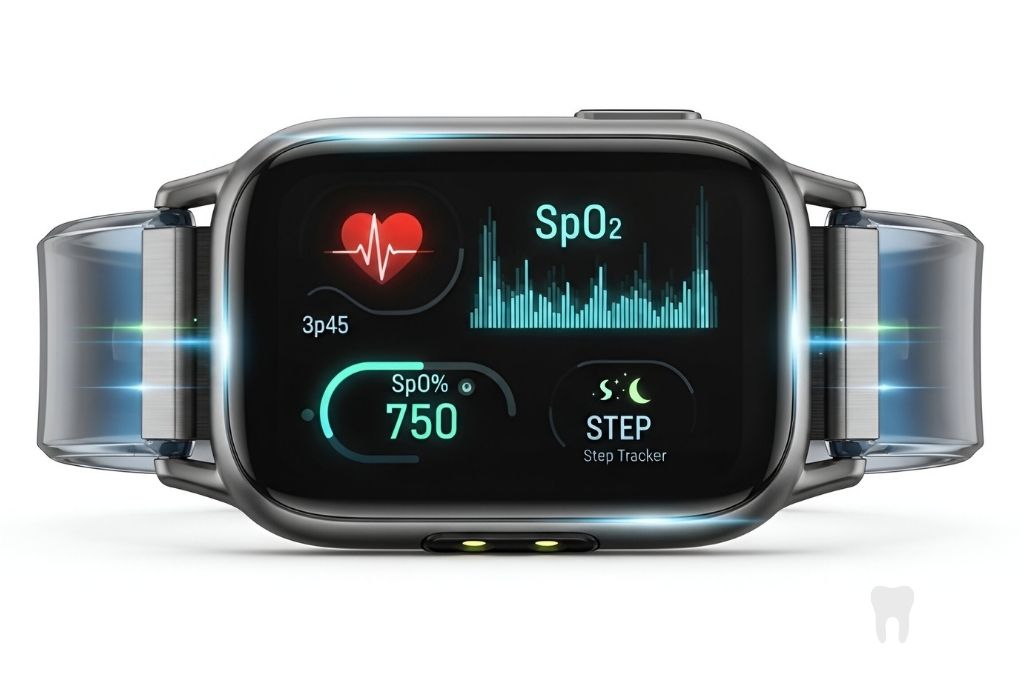
Heart disease remains one of the leading causes of illness and death in the UK, but early detection can make a life-saving difference. Health screening for heart disease helps identify potential risks before symptoms appear, allowing you to take control of your heart health with confidence. From cholesterol and blood pressure checks to advanced cardiac tests, regular screening provides a clear picture of how well your heart is functioning. Whether you have a family history of heart problems or simply want peace of mind, understanding the essential tests you need is the first step towards a healthier, stronger heart and a longer, more active life.
Understanding Heart Disease and Its Risk Factors
So, what exactly is heart disease? In simple terms, it refers to any condition affecting the heart or blood vessels. The most common type is coronary artery disease (CAD), which occurs when fatty deposits build up inside arteries, restricting blood flow to the heart. This can lead to serious complications such as heart attacks or strokes. While these conditions sound scary, they’re often preventable if caught early.
In the UK, several risk factors contribute to heart disease. High blood pressure, also known as hypertension, is particularly concerning because it rarely shows symptoms—earning it the nickname “the silent killer”. Similarly, high cholesterol levels quietly damage arteries over time. Diabetes is another major player; elevated blood sugar damages blood vessels and nerves that control the heart. Obesity compounds these risks by increasing strain on the cardiovascular system. Smoking further accelerates damage, while family history adds an inherited layer of vulnerability. By identifying these factors early, we can intervene before irreversible harm occurs.
When Should You Get Screened for Heart Disease?
The NHS provides clear guidelines on cardiovascular health checks. If you’re aged 40–74 and haven’t already been diagnosed with a long-term condition, you’re eligible for a free NHS Health Check every five years. These screenings assess your risk of developing heart disease, stroke, kidney disease, and diabetes. For those at higher risk—such as smokers, individuals with obesity, or people with a family history of heart problems—earlier and more frequent screenings may be recommended.
If you fall into a high-risk group, don’t wait until your next scheduled check. Talk to your GP about getting tested sooner rather than later. Early intervention can make all the difference.
Essential Heart Disease Screening Tests
Let’s break down the key tests involved in heart health screening:
- Blood Pressure Test
High blood pressure affects nearly half of adults in England but often goes unnoticed until it causes severe issues. During your screening, a cuff will measure your blood pressure. A healthy reading typically falls below 120/80 mmHg. Anything above 140/90 mmHg indicates hypertension and requires attention.
- Cholesterol Blood Test
This test measures total cholesterol, LDL (“bad” cholesterol), HDL (“good” cholesterol), and triglycerides. Your doctor might explain your cholesterol ratio—a useful indicator of heart health. Ideally, your total cholesterol should be under 5 mmol/L, with LDL kept low and HDL relatively high.
- Blood Sugar (Diabetes) Test
Two main tests evaluate blood sugar: HbA1c and fasting glucose. HbA1c reflects average blood sugar levels over three months, while fasting glucose gives a snapshot after not eating overnight. Elevated results suggest prediabetes or diabetes, both of which increase heart disease risk significantly.
- Body Mass Index (BMI) and Waist Measurement
Your BMI helps gauge whether you’re underweight, normal weight, overweight, or obese. A healthy BMI for UK adults ranges from 18.5 to 24.9. Additionally, waist circumference matters—excess belly fat is strongly linked to heart disease.
- Electrocardiogram (ECG)
An ECG records electrical signals from your heart, helping detect irregular rhythms or other abnormalities. Your GP might recommend this if you experience symptoms like chest pain, palpitations, or shortness of breath.
- Cardiovascular Risk Assessment (QRISK3)
QRISK3 calculates your likelihood of having a heart attack or stroke within the next decade. Factors like age, gender, ethnicity, smoking status, and medical history are considered. Knowing your score empowers you to take proactive steps.
Advanced Heart Screening Tests (If High Risk)
For individuals deemed high-risk, additional diagnostics may be necessary:
- Echocardiogram: Uses ultrasound waves to create detailed images of the heart’s structure and function.
- Cardiac CT Scan (Calcium Score): Detects calcium buildup in coronary arteries, signalling potential blockages.
- Exercise Stress Test: Monitors heart activity during physical exertion to identify underlying issues.
These advanced tests provide deeper insights but are usually reserved for cases where standard screenings raise red flags.
NHS vs Private Heart Health Screening in the UK
Both NHS and private clinics offer heart health screenings, each with its own advantages. The NHS Health Check covers essential tests and is completely free for eligible patients. However, waiting times can sometimes delay appointments.
Private clinics providing health screening in London, on the other hand, offer faster access and often include advanced diagnostics such as ECGs, cardiac risk profiling, and detailed blood tests. While they come at a cost, many people find the convenience and speed worthwhile — especially if they’re at higher risk of heart disease.
How to Prepare for a Heart Health Screening
To ensure accurate results, follow these preparation tips:
- Fast for 8–12 hours before blood tests unless instructed otherwise.
- Inform your healthcare provider about any medications you’re taking.
- Be honest about lifestyle habits like diet, exercise, alcohol consumption, and smoking.
Accuracy depends on transparency, so don’t hold back when discussing your daily routines.
Interpreting Your Heart Screening Results
Once you receive your results, your GP will help interpret them. Numbers alone don’t tell the full story—they need context. For instance, slightly elevated cholesterol might only require dietary adjustments, whereas persistently high blood pressure could necessitate medication. Understanding your numbers empowers you to collaborate effectively with your healthcare team.
How to Reduce Your Risk of Heart Disease
Prevention starts with small yet impactful changes:
- Adopt a heart-healthy diet rich in fruits, vegetables, whole grains, lean proteins, and healthy fats. Traditional British fare like fish and chips can still fit in moderation!
- Aim for at least 150 minutes of moderate-intensity exercise weekly, such as brisk walking or cycling.
- Prioritise stress management through mindfulness practices, hobbies, or social connections.
- Ensure quality sleep by sticking to a consistent bedtime routine.
Conclusion
Regular heart screening isn’t just a box to tick—it’s a lifeline. By staying informed about your cardiovascular health, you gain the power to act early and protect yourself against life-threatening conditions. Whether you’re booking an NHS health check or opting for private diagnostics, remember that prevention beats cure every time. So why wait? Take charge of your heart health today—it’s one of the best investments you’ll ever make.

Lareal Young is a legal professional committed to making the law more accessible to the public. With deep knowledge of legislation and legal systems, she provides clear, insightful commentary on legal developments and public rights, helping individuals understand and navigate the complexities of everyday legal matters.
Recommended For You

In the heart of the City of London, maintaining excellent oral health is essential for busy professionals and residents alike.
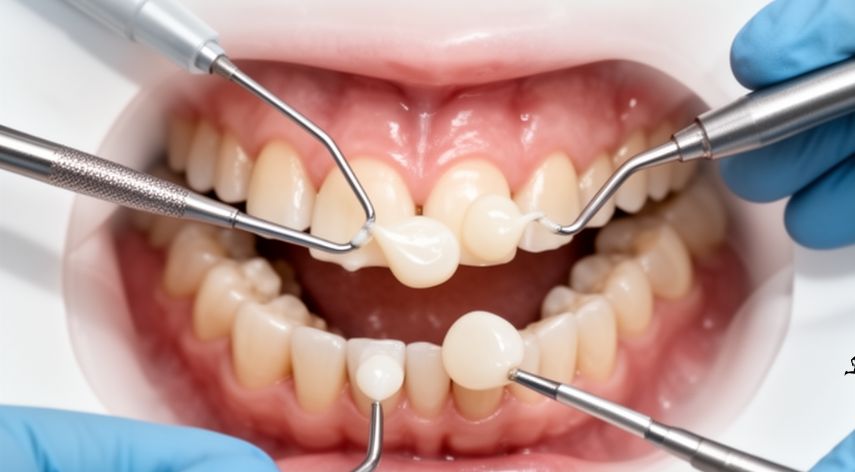
If you’re searching for “composite bonding near me” in London, it’s important to know what truly sets a clinic apart.

Cancer affecting the urinary tract and male reproductive organs requires specialized care. This is where uro-oncology plays a crucial role.

Browse by Category
- Travel
- Technology & Gadgets
- Sports & Games
- Software
- Shopping
- Reviews
- Real Estate
- Numerology
- News
- Make Money
- Lifestyle
- Law
- Home Improvement
- Health
- Gardening
- Games
- Finance
- Entertainment
- Education
- Digital Marketing
- Diet and Fitness
- Dating
- Construction
- Celebrity
- Career and Jobs
- Business
- blog
- Angel Number