Does Lower Testosterone Cause Weight Gain?
Introduction
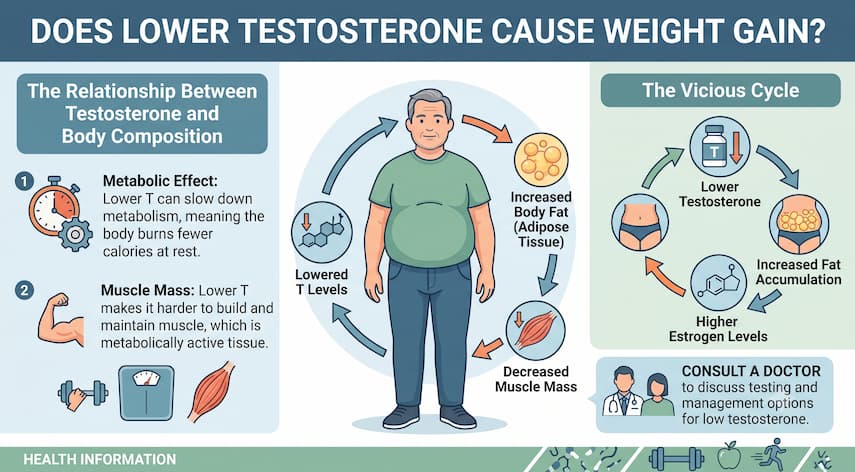
Noticing weight gain often leads people to search for a single explanation, and testosterone is a common suspect, especially with age. It’s a reasonable question. Testosterone influences muscle mass and fat distribution, so it makes sense to wonder whether a drop in this hormone is behind a change on the scale.
The honest answer from QueKnow is that the relationship is real but not simple. Lower testosterone can be associated with changes in body composition in some people, but it is rarely the sole explanation for weight gain, and the connection can run in both directions. This article walks through what’s actually understood about testosterone and weight, how the picture differs for men and women, and what else might be contributing.
Executive Summary
- Testosterone influences muscle mass and fat distribution, but it does not single-handedly control body weight.
- Lower testosterone may be associated with increased body fat and reduced muscle mass in some people.
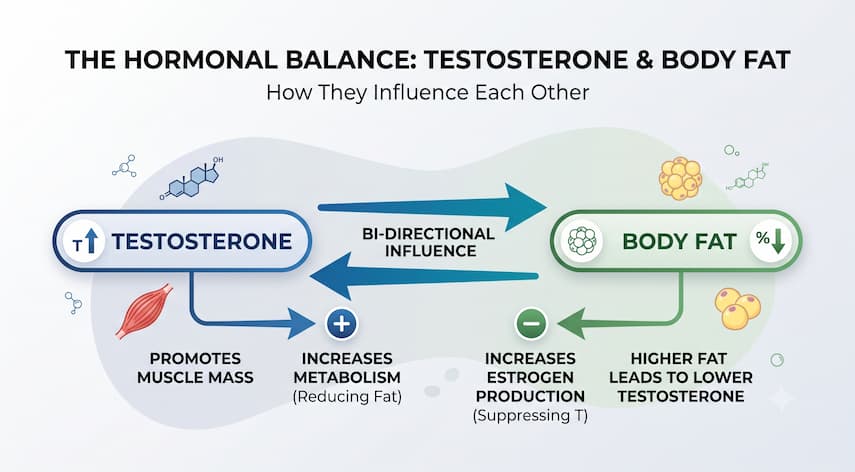
- Obesity itself can be associated with lower testosterone in men, suggesting a possible bidirectional relationship.
- Men and women experience testosterone differently, since normal levels and roles differ by sex.
- Menopause-related weight changes involve multiple hormones and physiological shifts, not testosterone alone.
- Hormone testing may be worth discussing with a healthcare professional when weight changes occur alongside other relevant symptoms.
Can Low Testosterone Cause Weight Gain?
There is a genuine association between lower testosterone and certain changes in body composition. Testosterone plays a role in maintaining muscle mass, and when muscle mass decreases, metabolism can shift in ways that make weight gain, particularly fat gain, more likely over time. Lower testosterone has also been associated with increased visceral fat, the fat stored around internal organs, in some men.
That said, “associated with” is different from “causes.” Weight gain also depends on energy intake, physical activity levels, sleep, aging, and other health conditions. Saying low testosterone “may contribute to” weight-related changes is more accurate than saying it “causes” weight gain outright, since the relationship involves multiple interacting factors rather than a single clear mechanism.
How Testosterone May Affect Body Composition
Testosterone is involved in several processes connected to body composition:
- Muscle mass — testosterone supports the maintenance of lean muscle tissue, which plays a role in resting metabolic rate.
- Fat distribution — lower testosterone has been associated with a tendency toward increased fat storage, including visceral fat, in some people.
- Lean body mass — changes in testosterone can coincide with shifts in the ratio of muscle to fat, even without a large change in total body weight.
- Physical activity — reduced muscle mass or energy can indirectly affect how much a person moves, which also influences weight over time.
- Metabolic processes — testosterone interacts with broader metabolic and hormonal systems rather than acting alone.
Testosterone does not independently control body weight. It’s one factor among several that influence how the body stores and uses energy.
Does Weight Gain Lower Testosterone?
This is where the relationship becomes genuinely bidirectional, particularly in men. Excess body fat, especially visceral fat, is metabolically active tissue that can influence hormone levels. Adipose (fat) tissue is involved in converting testosterone to estrogen and can affect sex hormone-binding globulin (SHBG), a protein that binds testosterone in the blood and affects how much is biologically available.
In some men, obesity is associated with lower total and free testosterone levels. This creates a pattern where lower testosterone may contribute to weight gain, and weight gain may in turn contribute to lower testosterone, reinforcing a cycle. This doesn’t mean it works this way for everyone, and correlation in population studies doesn’t confirm the same mechanism applies to every individual.
Can Low Testosterone Cause Fat Gain?
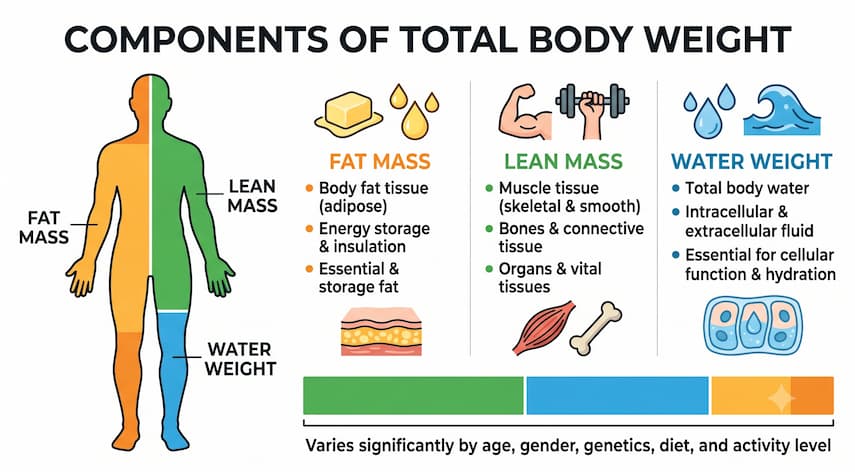
It helps to separate what “weight gain” actually means. The number on a scale reflects total body weight, which includes:
- Fat mass — the amount of body fat
- Lean mass — muscle, organs, and other non-fat tissue
- Water weight — fluid levels, which can fluctuate independently of fat or muscle
Lower testosterone is more specifically associated with shifts toward increased fat mass and reduced lean mass, sometimes without a large change in overall scale weight. This is why two people with the same weight change can have very different underlying body composition shifts, and why the scale alone doesn’t identify the cause.
Does Testosterone Increase Weight Loss?
Testosterone is not a general-purpose weight-loss treatment, and it shouldn’t be approached that way. While testosterone plays a role in supporting muscle mass, and muscle tissue is more metabolically active than fat tissue, this does not mean that raising testosterone levels reliably produces weight loss on its own.
Body composition changes, gaining muscle or losing fat, involve activity levels, nutrition, sleep, and overall metabolic health, in addition to hormone levels. Framing testosterone as a shortcut to weight loss oversimplifies a much more layered picture.
Does Low Testosterone Cause Weight Gain in Men?
In men, lower testosterone may be associated with increased body fat and reduced lean muscle mass in some cases. At the same time, obesity itself can be associated with lower testosterone levels, so the direction of cause and effect isn’t always clear in an individual case.
Aging is another factor that affects both testosterone levels and body composition independently, which can make it harder to separate the two. Lifestyle factors, including activity level, sleep quality, and overall metabolic health, also play a meaningful role. Weight gain in a man should not automatically be attributed to low testosterone without a broader evaluation.
Can Low Testosterone Cause Weight Gain in a 57-Year-Old Male?
This is a common and reasonable question, since testosterone levels naturally tend to decline gradually with age in many men. However, age-related weight gain has many possible contributors beyond testosterone, including reduced physical activity, changes in muscle mass that occur with aging generally, sleep patterns, metabolic changes, and other health conditions.
It would not be accurate to assume that a 57-year-old man experiencing weight gain necessarily has low testosterone, or that testosterone is the primary driver, without appropriate symptom review and laboratory evaluation by a healthcare professional. One symptom alone, including weight gain, is not enough to establish a hormone-related cause.
Can Low Testosterone Cause Weight Gain in Women?
Testosterone is present in women, but at much lower concentrations than in men, and it plays a different physiological role. Hormonal changes across the reproductive lifespan, including shifts in testosterone, estrogen, and progesterone, can influence body composition in women.
That said, testosterone should not be automatically identified as the cause of weight changes in women. Multiple hormones and non-hormonal factors are typically involved, and weight changes in women are rarely explained by a single hormone in isolation.
Does Low Testosterone in Menopause Cause Weight Gain?
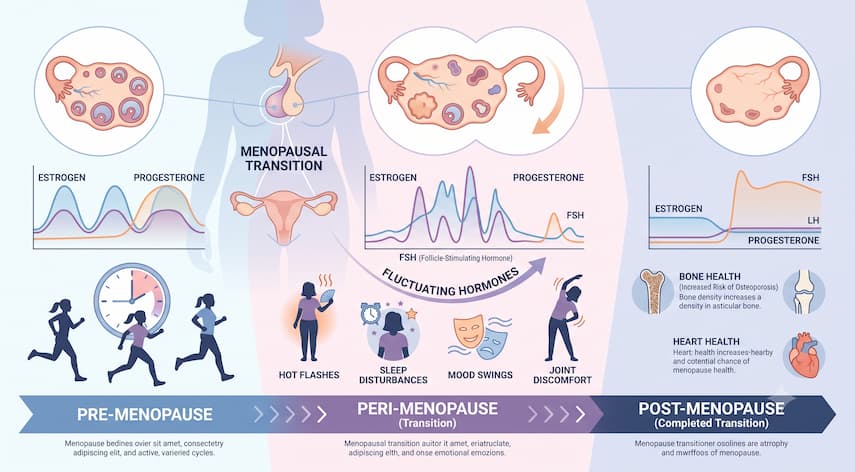
Weight changes around menopause are common, but attributing them solely to testosterone oversimplifies what’s happening. Menopause involves a broader set of hormonal shifts, most notably declining estrogen, along with changes in metabolism, fat distribution, muscle mass, sleep, and activity levels that often occur around the same life stage.
Testosterone does gradually decline with age in women as well, but it’s one part of a larger hormonal picture during the menopausal transition, not the defining factor. Body-fat distribution often shifts toward the abdomen during this time, a pattern more strongly linked to estrogen changes than testosterone specifically. Sleep disruption and reduced activity, both common during menopause, also play meaningful roles.
How Is Testosterone Evaluated?
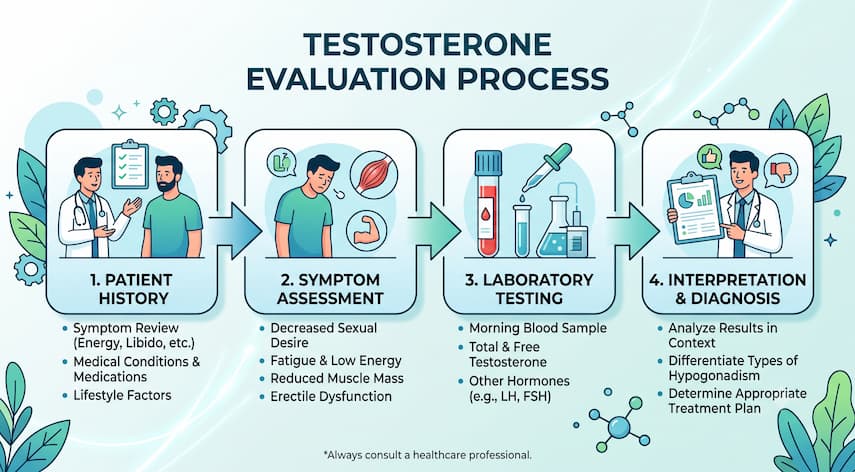
Testosterone evaluation typically involves:
- Total testosterone — the most common initial measurement
- Free testosterone — the portion not bound to proteins, sometimes measured when clinically relevant
- SHBG (sex hormone-binding globulin) — assessed when it may affect interpretation of total testosterone levels
- Timing considerations — testosterone levels can fluctuate throughout the day, which is why testing timing matters
Laboratory reference ranges for testosterone can vary between labs and testing methods, so results should always be interpreted alongside a person’s symptoms and overall clinical picture by an appropriate healthcare professional, rather than compared against a single fixed number.
When Might Someone Discuss Testosterone Testing?
General scenarios where a conversation about testosterone testing might be appropriate include:
- Symptoms that could be associated with hormonal changes, such as fatigue or changes in muscle mass
- Body composition concerns combined with other relevant symptoms, not weight change alone
- Men experiencing symptoms suggestive of testosterone deficiency, evaluated alongside a full history
- Women undergoing menopause evaluation when clinically indicated by a provider
Not everyone experiencing weight gain needs testosterone testing. It’s one piece of a broader clinical picture that a healthcare professional can help determine.
Other Causes of Weight Gain
Weight gain is multifactorial, meaning multiple contributors are often involved at once, including:
- Calorie intake relative to energy needs
- Reduced physical activity
- Aging-related metabolic changes
- Sleep problems, including poor sleep quality or sleep apnea
- Chronic stress
- Certain medications
- Thyroid disorders
- Insulin resistance and other metabolic conditions
- Menopause
- Fluid retention
- Other underlying health conditions
Considering this broader list helps put testosterone’s role into perspective rather than treating it as the default explanation.
Information Gain: Weight Gain Does Not Automatically Mean Low Testosterone
It’s a common assumption, but weight gain by itself cannot establish that testosterone is low. Many conditions and lifestyle factors produce similar effects on weight, and low testosterone is only confirmed through appropriate laboratory testing interpreted alongside symptoms, not through weight change alone.
Information Gain: The Scale Does Not Tell the Whole Story
A number on a scale doesn’t distinguish between fat mass, muscle mass, or water weight. Someone could gain fat while losing muscle and see very little net change in total weight, or gain water weight temporarily without any change in fat or muscle at all. Understanding what kind of weight has changed matters more than the total number alone.
Information Gain: The Testosterone–Weight Relationship Can Be Bidirectional
Two patterns can both be observed in some men: lower testosterone may be associated with body-composition changes that make weight gain more likely, and higher body fat or obesity may itself be associated with lower testosterone levels. This creates a potential cycle rather than a one-way cause-and-effect relationship, which is part of why the topic is more nuanced than headlines often suggest.
Information Gain: Menopause Is Not Simply a Testosterone Problem
Menopause involves interconnected changes across multiple hormones, primarily estrogen, along with shifts in metabolism, sleep, and activity. Framing menopausal weight changes as a testosterone issue alone overlooks the broader physiological picture that’s actually taking place.
Information Gain: A Single Hormone Result Does Not Explain Every Weight Change
Even when testosterone testing is performed, one result is interpreted within the context of symptoms, overall health, medications, and other lab findings. A single number rarely tells the whole story, which is why clinical context matters so much in interpreting hormone levels.
Common Misconceptions
“Any weight gain means testosterone is low.” Weight gain has many possible causes, and testosterone levels can only be confirmed through appropriate testing, not assumed from weight change alone.
“Testosterone automatically causes weight loss.” Testosterone supports muscle mass, but it is not a standalone weight-loss treatment, and body composition changes depend on multiple factors beyond hormone levels.
“Menopause weight gain is caused only by testosterone.” Menopause involves broader hormonal shifts, primarily related to estrogen, along with metabolic, sleep, and activity changes.
“Taking testosterone is a standard weight-loss strategy.” Testosterone therapy is a clinical decision made for specific medical reasons and is not a general-purpose or standard approach to weight loss.
“One testosterone test can explain all symptoms.” A single lab result is interpreted alongside a full clinical picture, since hormone levels alone rarely explain every symptom a person is experiencing.
What to Discuss With a Healthcare Professional
If you’re trying to understand a weight change, it may help to discuss:
- The pattern and timeline of weight changes
- Changes in body composition, such as muscle or fat distribution
- Energy levels and fatigue
- Changes in muscle strength or mass
- Sexual or reproductive symptoms, where relevant
- Menstrual or menopausal changes, where relevant
- Sleep quality and patterns
- Current medications
- Existing health conditions
- Whether hormone testing would be appropriate for your situation
This list is meant to support a productive conversation, not to replace one.
When to Seek Medical Care
Weight changes that are significant, unexplained, or accompanied by other concerning symptoms, such as persistent fatigue, mood changes, or noticeable changes in strength, are generally worth discussing with a healthcare professional. This doesn’t necessarily indicate a serious problem, but professional evaluation can help identify contributing factors and rule out other conditions that might otherwise go unaddressed.
Conclusion
Lower testosterone can be genuinely associated with changes in body composition, including increased body fat and reduced muscle mass, in some people. At the same time, obesity itself can be associated with lower testosterone in men, and menopause-related weight changes involve far more than testosterone alone. Weight gain is rarely explained by a single hormone, and understanding your specific situation requires looking at the full picture, not just one number. If you’re concerned about weight changes or possible hormonal factors, consult an appropriate healthcare professional for an individualized assessment.
Frequently Asked Questions
Can low testosterone cause weight gain?
Lower testosterone can be associated with changes in body composition, including increased body fat and reduced muscle mass, in some people. It is not usually the sole cause of weight gain, since activity level, diet, sleep, and other factors also play a role.
Does weight gain lower testosterone?
In some men, obesity and excess body fat are associated with lower testosterone levels. Fat tissue can influence hormone processing in ways that affect testosterone, suggesting the relationship may work in both directions rather than one way only.
Can low testosterone cause fat gain?
Lower testosterone has been associated with shifts toward increased fat mass and reduced lean muscle mass in some people, sometimes without a large change in total body weight. This distinction matters more than the number on a scale alone.
Does testosterone increase weight loss?
Testosterone is not a general-purpose weight-loss treatment. It supports muscle mass, which can influence metabolism, but meaningful weight or body-composition changes typically depend on activity, nutrition, and overall health as well.
Can low testosterone cause weight gain in men?
In some men, lower testosterone may be associated with increased body fat and reduced muscle mass. Obesity can also be associated with lower testosterone, so the relationship isn’t always one-directional, and other factors matter too.
Can low testosterone cause weight gain in women?
Testosterone exists in women at much lower levels than in men and plays a different role. While hormonal changes can influence body composition, testosterone alone should not be assumed to be the cause of weight changes in women.
Does low testosterone during menopause cause weight gain?
Menopause involves broader hormonal shifts, primarily related to estrogen, along with changes in metabolism, sleep, and activity. Testosterone does decline gradually with age in women, but it is one factor among several during this transition.
Can a 57-year-old man gain weight because of low testosterone?
It’s possible for testosterone to be one contributing factor, since levels can decline gradually with age. However, weight gain at this age has many potential causes, and low testosterone should not be assumed without appropriate evaluation.
Does weight loss increase testosterone?
In some men with obesity, weight loss has been associated with increases in testosterone levels, consistent with the bidirectional relationship between body fat and hormone levels. Individual results can vary based on overall health and other factors.
Should someone with unexplained weight gain have testosterone tested?
This depends on the individual’s full symptom picture, not weight gain alone. A healthcare professional can help determine whether testosterone testing, alongside other evaluations, is appropriate for a specific situation.
Medical Disclaimer
This content is for informational and educational purposes only and does not replace professional medical advice, diagnosis, or treatment. Testosterone levels and weight changes can have multiple causes and should be evaluated in the appropriate clinical context.

Mike Farrier is a seasoned technology journalist, digital trends researcher, and Senior Editor at Queknow. With over a decade of hands-on experience spanning web architecture, emerging tech, digital consumer products, and data-driven market insights, Mike bridges the gap between complex topics and actionable knowledge. He leads the editorial team to deliver rigorously fact-checked, up-to-date guides and comprehensive analysis across digital lifestyle, enterprise technology, and online business ecosystems. When not analyzing industry shifts, Mike actively tests consumer software and contributes to tech forums.
Recommended For You
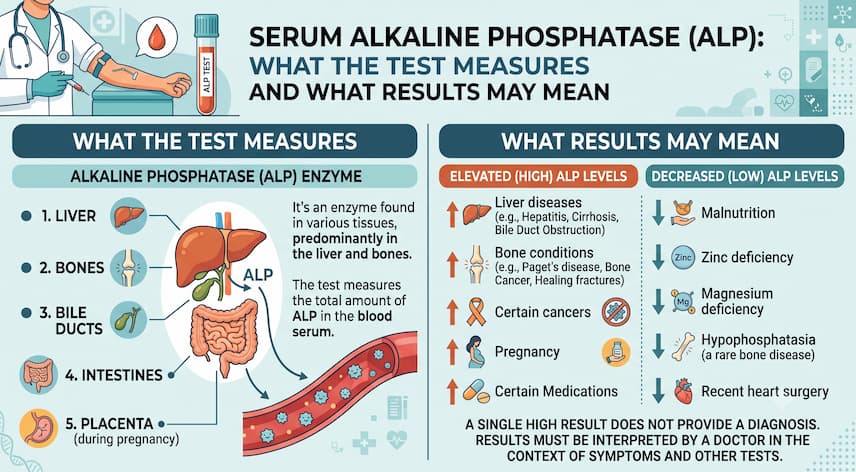
What Is Serum Alkaline Phosphatase? Alkaline phosphatase is an enzyme, a type of protein that helps speed up specific chemical

Boundaries often get misunderstood, especially in families affected by addiction, mental health struggles, or long-standing conflict. They can sound cold.
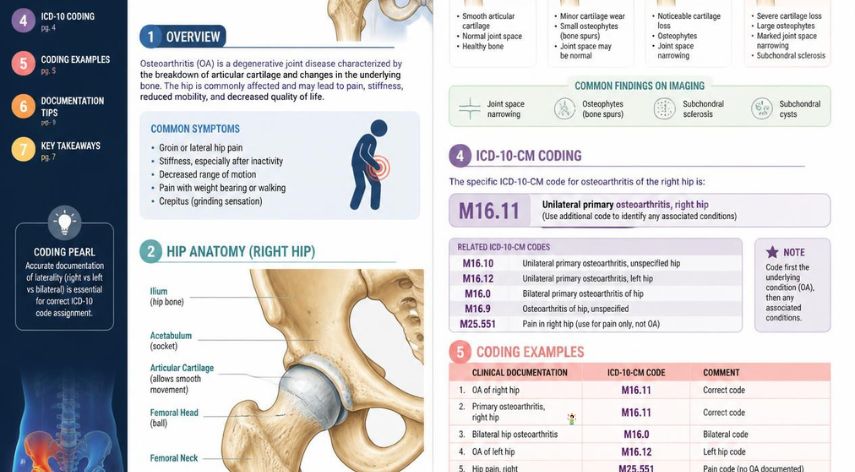
Hip osteoarthritis (OA) is a common joint condition that develops as cartilage in the hip wears down over time. It