When Boundaries Are Care, Not Punishment

Boundaries often get misunderstood, especially in families affected by addiction, mental health struggles, or long-standing conflict. They can sound cold. They can feel like rejection. To the person setting them, they may bring guilt. To the person hearing them, they may land like a door closing.
But a healthy boundary is not a threat, and it is not a way to control someone else. It is a clear statement of what a person can and cannot take responsibility for. At their best, boundaries protect connection by making relationships safer, more honest, and less chaotic.
Why boundaries feel so hard
Many people were never taught what boundaries actually are. They learned to keep the peace, absorb other people’s distress, or say yes long after they meant no. In close relationships, especially when someone is struggling, it can seem kinder to stay flexible. The problem is that constant flexibility often turns into resentment, exhaustion, and confusion.
That is when care starts to blur into overfunctioning. One person manages crises, smooths over consequences, or abandons their own limits in the name of love. The relationship may keep going, but it stops feeling stable.
What a boundary is, and what it is not
A boundary is not punishment. Punishment is meant to hurt, shame, or force change. A boundary is meant to clarify. It says, “This is what I will do to protect my well-being if this situation continues.”
That distinction matters. “You are selfish and impossible, so do not call me again” is punitive. “If you call while intoxicated, I will end the conversation and talk tomorrow” is a boundary. One attacks the person. The other defines a limit.
Boundaries also are not ultimatums unless they are used as empty threats. A real boundary is calm, specific, and followable. It does not depend on winning an argument. It depends on consistency.
How boundaries support recovery and relationships
In recovery settings, boundaries are often part of learning emotional regulation, trust, and accountability. A person may need support building those skills through structured care, including approaches such as Dialectical Behavior Therapy, which helps people tolerate distress, communicate more effectively, and respond without escalating conflict.
Families benefit from boundaries too. They reduce mixed messages. They make room for honesty. They help loved ones stop confusing rescuing with helping. In some cases, family-based work such as systemic therapy can help people identify patterns that keep everyone stuck.
What healthy boundaries sound like
- Clear: “I can drive you to treatment, but I cannot call your employer and make excuses.”
- Specific: “If yelling starts, I will leave the room.”
- Respectful: “I care about you, and I am not able to lend money.”
- Consistent: The limit stays the same after tears, anger, or bargaining.
There is nothing dramatic about a good boundary. That is part of its strength.
Care can be firm
Some of the most loving words a person can say are also the hardest: “I love you, and I cannot keep participating in this pattern.” That is not abandonment. It is a refusal to let fear run the relationship.
When boundaries are paired with compassion, they create room for something better than constant crisis. They allow care to be steady instead of frantic. They remind everyone involved that support matters, but so do limits, and both can exist at the same time. For people working through addiction or co-occurring mental health concerns, an approach to treatment that addresses both structure and compassion often reflects that balance.

Mike Farrier is a seasoned technology journalist, digital trends researcher, and Senior Editor at Queknow. With over a decade of hands-on experience spanning web architecture, emerging tech, digital consumer products, and data-driven market insights, Mike bridges the gap between complex topics and actionable knowledge. He leads the editorial team to deliver rigorously fact-checked, up-to-date guides and comprehensive analysis across digital lifestyle, enterprise technology, and online business ecosystems. When not analyzing industry shifts, Mike actively tests consumer software and contributes to tech forums.
Recommended For You
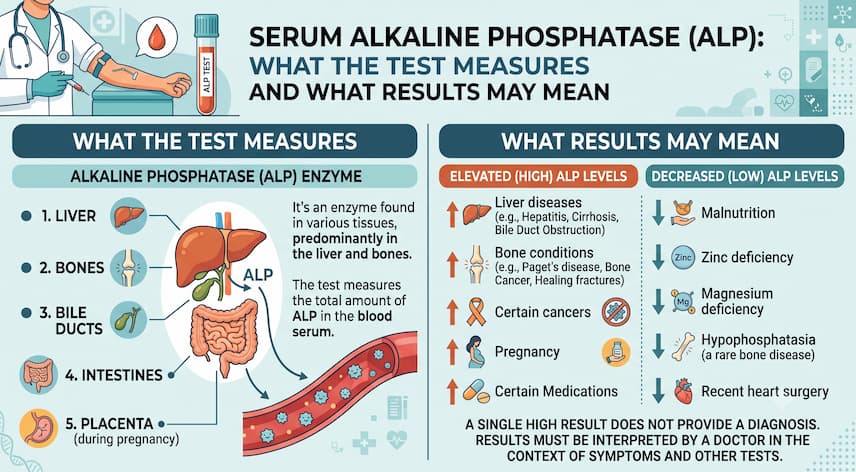
What Is Serum Alkaline Phosphatase? Alkaline phosphatase is an enzyme, a type of protein that helps speed up specific chemical
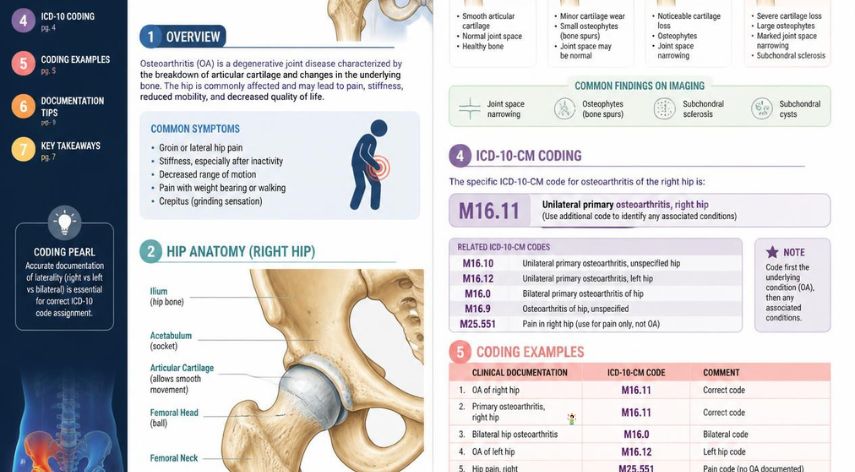
Hip osteoarthritis (OA) is a common joint condition that develops as cartilage in the hip wears down over time. It
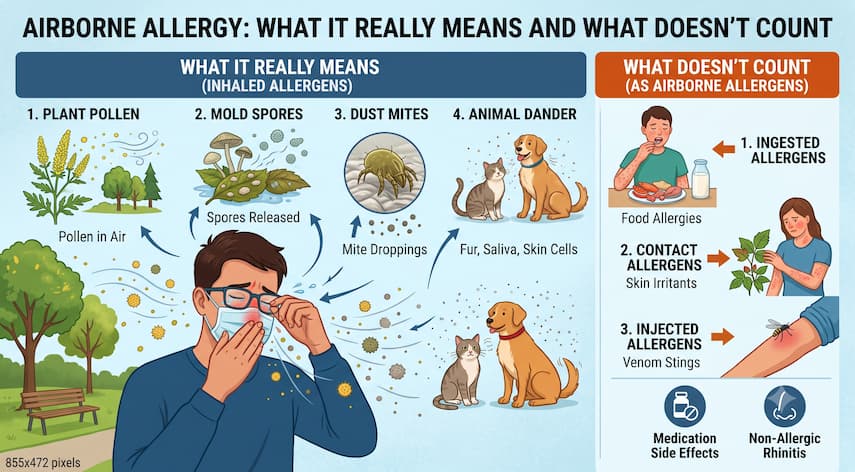
Introduction The phrase “airborne allergy” gets used in a lot of different ways. Sometimes it refers to classic environmental triggers