
How Natural Gas Is Transforming India’s Clean Energy Transition
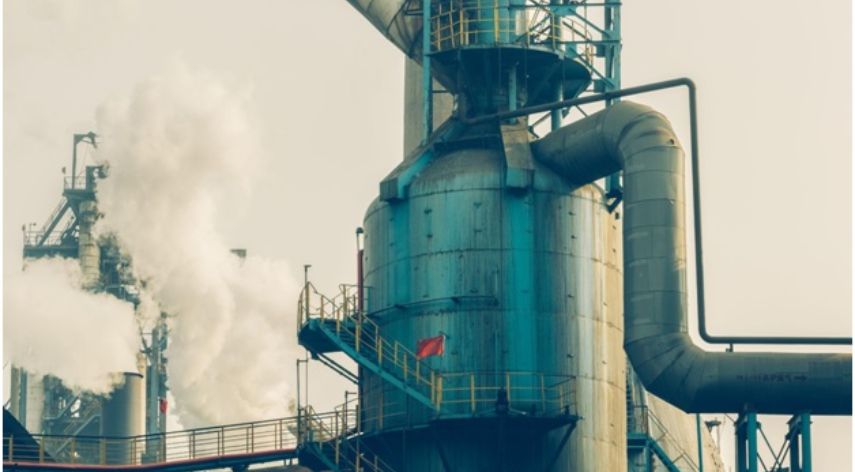
As India accelerates its shift toward cleaner and more sustainable energy sources, natural gas is emerging as a critical bridge fuel in the country’s energy transition. Balancing economic growth with climate commitments requires pragmatic solutions—and natural gas plays a pivotal role in reducing emissions while ensuring energy security. In 2026, its importance in India’s clean energy roadmap is more evident than ever.
The growing role of India natural gas highlights how the country is re-engineering its energy mix to support industrial expansion, urbanisation, and environmental responsibility simultaneously.
1. Natural Gas as a Transition Fuel
Natural gas is widely regarded as a transition fuel because it emits significantly fewer greenhouse gases compared to coal and oil. For India, where coal still dominates power generation, natural gas offers an immediate pathway to cleaner energy without compromising reliability.
By replacing high-emission fuels in power plants, industries, and transport, natural gas helps India cut carbon intensity while continuing to meet rising energy demand.
2. Supporting India’s Net-Zero and Climate Goals
India has committed to ambitious climate targets, including reducing emissions intensity and expanding cleaner energy capacity. Natural gas supports these goals by:
- Lowering carbon dioxide and particulate emissions
- Reducing air pollution in densely populated urban centres
- Complementing renewable energy sources like solar and wind
Unlike renewables, natural gas provides stable, dispatchable power—making it essential for grid stability as renewable penetration increases.
3. Powering Industrial and Manufacturing Growth
India’s manufacturing and industrial sectors require consistent and scalable energy. Natural gas is increasingly used across industries such as fertilisers, chemicals, refining, ceramics, and metals due to its efficiency and lower environmental impact.
Cleaner industrial energy not only improves sustainability metrics but also enhances India’s competitiveness in global markets, where environmental compliance is becoming a key trade requirement.
4. Expanding City Gas Distribution (CGD) Networks
One of the most visible impacts of natural gas adoption is the rapid expansion of city gas distribution networks. Piped natural gas (PNG) for households and compressed natural gas (CNG) for vehicles are transforming urban energy consumption.
Benefits include:
- Cleaner cooking fuel for households
- Lower fuel costs and emissions for public and private transport
- Improved urban air quality
These changes directly contribute to better public health outcomes and reduced reliance on imported liquid fuels.
5. Strengthening Energy Security
Energy security remains a major priority for India. Diversifying the energy basket with natural gas—supported by LNG imports, domestic production, and infrastructure expansion—helps reduce over-dependence on any single fuel source.
Investments in LNG terminals, pipelines, and storage facilities are improving supply resilience and enabling wider access across regions.
6. Enabling Renewable Energy Integration
Renewable energy is central to India’s clean energy future, but it comes with variability. Natural gas-based power plants provide the flexibility needed to balance intermittent solar and wind generation.
This complementary relationship ensures:
- Stable electricity supply
- Reduced grid disruptions
- Faster adoption of renewables without compromising reliability
In this way, natural gas acts as an enabler rather than a competitor to renewable energy.
7. Economic and Investment Opportunities
The natural gas sector is attracting significant domestic and foreign investment across exploration, infrastructure, distribution, and technology. This growth creates jobs, supports innovation, and strengthens India’s position in global energy markets.
As demand rises, natural gas is also becoming an integral part of India’s long-term energy planning and policy framework.
Conclusion: A Strategic Pillar of India’s Clean Energy Journey
Natural gas is playing a transformative role in India’s clean energy transition by offering a practical balance between growth and sustainability. From powering industries and cities to supporting renewables and reducing emissions, its impact spans economic, environmental, and social dimensions.
As India moves toward a cleaner and more resilient energy future, natural gas will remain a strategic pillar—bridging today’s energy realities with tomorrow’s sustainability ambitions.

Mike Farrier possesses over 18 years of hands-on experience in software and web development, SEO, social media marketing, eCommerce, and digital marketing. He has been active in the online domain since 2019, serving as a seasoned SEO and digital marketing consultant.
Recommended For You

Experience seamless London travel with luxury chauffeur services. Enjoy comfort, reliability, 24/7 availability, and personalised transport for every journey.

Planning how to see London? A chauffeur-driven tour is among the smartest ways to get a feel of the city

Access to clean cooking fuel is one of the essential requirements for improving the health, safety, and economic well being



Browse by Category
- Travel
- Technology & Gadgets
- Sports & Games
- Software
- Shopping
- Reviews
- Real Estate
- Numerology
- News
- Make Money
- Lifestyle
- Law
- Home Improvement
- Health
- Gardening
- Games
- Finance
- Entertainment
- Education
- Digital Marketing
- Diet and Fitness
- Dating
- Construction
- Celebrity
- Career and Jobs
- Business
- blog
- Angel Number