Accounting Courses Online Free: How to Learn Accounting as a Beginner
Learning accounting doesn’t require enrolling in a full degree program right away. Plenty of people start with free online resources to see whether the subject clicks, build confidence with the basics, or pick up skills for running a small business.
The challenge isn’t finding free accounting content — it’s finding free content that’s actually structured well enough to teach something useful. This guide explains what free accounting courses can realistically offer, what to learn first, and how free education compares to certifications and degrees.
Can You Learn Accounting Online for Free?
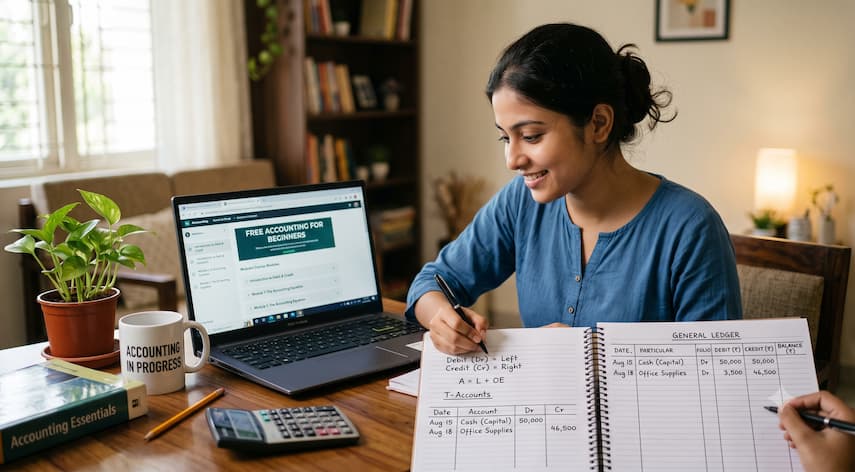
Yes, you can learn accounting online for free. Many platforms offer free introductory lessons covering accounting basics, debits and credits, and financial statements. Free courses are useful for building foundational knowledge, but they typically don’t provide accredited degrees or professional certifications, which usually require paid, verified programs.
Free accounting education generally comes from a few sources:
- University-affiliated platforms offering free audit access to introductory courses
- Nonprofit and educational organizations publishing free lesson content
- Individual instructors and accounting professionals sharing free video lessons
- Software companies offering free basic training tied to their platforms
- Community college open courseware, where available
The quality and depth of these resources vary widely. Some are genuinely thorough. Others are short, surface-level, or designed mainly to lead into a paid upsell.
What Can You Learn in a Free Accounting Course?
Most beginner-level free accounting courses cover a similar set of foundational topics:
- Accounting principles — the basic rules that guide how transactions get recorded
- Debits and credits — how the double-entry system works
- Journal entries — how transactions are initially recorded
- The general ledger — how entries get organized by account
- Trial balance — how accountants check that debits and credits match
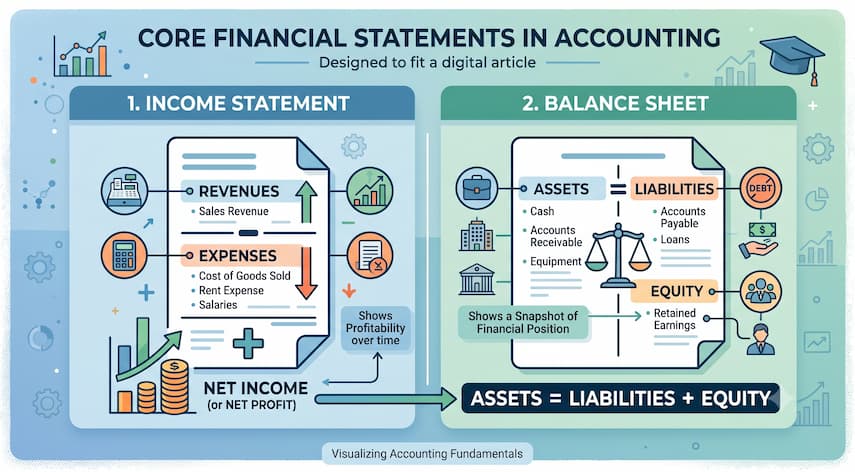
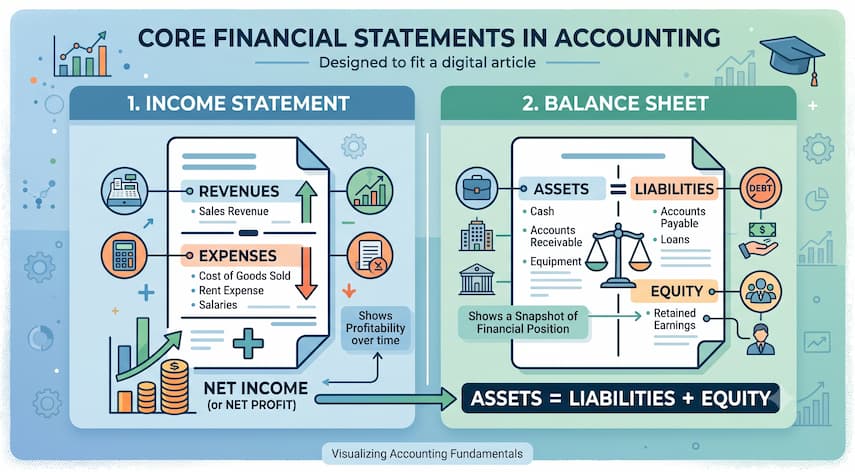
- Financial statements — the income statement, balance sheet, and cash flow statement
- Basic bookkeeping — day-to-day recording of income and expenses
- Basic financial analysis — interpreting what the numbers actually mean
Free courses at this level are usually enough to understand how accounting works conceptually. Advanced topics — tax accounting, auditing standards, or complex financial reporting — are far less commonly covered in free formats.
What Should Beginners Learn First?
Accounting builds in layers, so studying topics in the right order makes the material easier to absorb. A practical sequence looks like this:
- Accounting terminology — assets, liabilities, equity, revenue, and expenses
- The accounting equation — assets = liabilities + equity
- Debits and credits — how they increase and decrease different account types
- Journal entries — recording transactions using debits and credits
- The ledger and trial balance — organizing and checking entries
- Financial statements — building the income statement and balance sheet from ledger data
- Basic bookkeeping practices — recurring tasks like reconciliations and expense tracking
- Practical software or spreadsheet skills — applying concepts in a real tool
Skipping ahead to financial statements before understanding debits and credits tends to create confusion later. Following this order, or something close to it, makes the later topics click faster.
Best Types of Free Accounting Courses Online
Rather than chasing a specific “best” course, it helps to understand the categories available and pick based on your goal.
- Basic accounting courses — cover core principles for complete beginners
- Bookkeeping courses — focus on the practical, day-to-day recording of transactions
- Financial accounting courses — emphasize how financial statements are built and read
- Business accounting classes — aimed at small-business owners managing their own books
- Accounting refresher courses — designed for people returning to the subject after time away
- Accounting software training — teaches specific tools rather than accounting theory
- Introductory certification courses — free entry points that sometimes lead into paid, credentialed programs
Matching the course type to your actual goal matters more than the price tag. A small-business owner needs different content than someone considering an accounting career.
Free Accounting Courses vs Paid Courses
Free and paid courses aren’t interchangeable, and the differences usually show up in a few consistent areas.
| Factor | Free Courses | Paid Courses |
|---|---|---|
| Cost | No cost | Ranges from low-cost to significant investment |
| Depth | Often introductory | Often more comprehensive |
| Support | Limited or none | Instructor access or support often included |
| Assessments | Basic quizzes, if any | More structured testing and feedback |
| Certificates | Sometimes offered, often unverified | More likely to include verified certificates |
| Practical exercises | Limited | Often more extensive and applied |
| Career relevance | Useful for foundational knowledge | More likely to align with employer or credential expectations |
Free courses tend to work well for exploration and foundational learning. Paid courses tend to make more sense when you need structured feedback, a verified credential, or content that goes beyond the basics.
Free Accounting Course vs Accounting Certification vs Degree
These three paths are often confused, but they serve very different purposes.
| Path | What It Provides | Typical Time Commitment | Recognized by Employers? |
|---|---|---|---|
| Free accounting course | Foundational knowledge, informal learning | Hours to a few weeks | Generally not a formal credential |
| Accounting certification | A recognized credential tied to specific requirements set by a certifying body | Weeks to months, depending on the credential | Yes, when from a recognized certifying organization |
| Accounting degree | An accredited academic qualification | Typically 2–4 years | Yes, widely recognized |
Completing a free course builds knowledge. It does not, by itself, produce a professional certification or an accredited degree. Certification requirements vary by credential and issuing organization, and degree requirements are set by accredited institutions — neither can be substituted with free online lessons alone.
Are Free Accounting Courses Good for Beginners?
Free courses work well for certain situations and less well for others.
Free courses tend to work well when you:
- Want to explore accounting before committing time or money
- Need basic bookkeeping skills to manage your own small business
- Are refreshing knowledge you already have
- Want to build a foundation before enrolling in a paid or accredited program
Free courses tend to fall short when you:
- Need a recognized credential for employment
- Require structured feedback on your work
- Are studying for a specific certification exam with defined requirements
- Need in-depth coverage of advanced or specialized topics
Recognizing which category applies to you before starting saves time. A free introductory course won’t meet the needs of someone preparing for a professional certification exam, for example.
How to Choose an Online Accounting Course
Not all courses labeled “free” deliver equal value. Use this checklist to evaluate a course before investing your time:
- Course depth — Does it cover topics thoroughly, or just skim the surface?
- Instructor expertise — Is the instructor’s background in accounting or education clearly stated?
- Curriculum structure — Is there a logical progression from basic to more advanced material?
- Exercises and practice problems — Can you actually apply what you’re learning?
- Assessments — Are there quizzes or tests to check understanding?
- Certificate availability — Is a certificate offered, and is it from a recognized source?
- Hidden fees — Is the course entirely free, or does it require payment to access key content?
- Trial periods — Is “free” actually a limited trial that later requires payment?
- Access restrictions — Can you revisit material later, or is access time-limited?
- Course updates — Is the content current, especially for anything referencing tax rules or standards?
- Practical application — Does the course connect concepts to real scenarios?
Running through this list before enrolling helps separate genuinely useful free courses from thin content designed mainly to generate leads for a paid upgrade.
Can You Get an Accounting Degree Online for Free?
Generally, no. Accredited accounting degrees from legitimate US colleges and universities are not typically available at no cost. Degree programs involve tuition, accreditation standards, and academic requirements that free course platforms don’t provide.
What you can find for free are individual lessons, introductory courses, and open educational resources that cover accounting concepts. These are valuable for learning, but they are fundamentally different from an accredited degree program. If your goal is a recognized accounting degree, expect that path to involve tuition costs, formal enrollment, and a multi-year commitment through an accredited institution.
Can You Get Accounting Certifications Online?
Yes, many accounting certifications can be pursued through online study, though requirements vary significantly depending on the specific credential and the organization that issues it.
Some certifications require:
- A minimum level of education
- Specific coursework
- Passing one or more exams
- Ongoing continuing education to maintain the credential
Because requirements differ by certification and can change over time, verify current eligibility and exam requirements directly with the certifying organization before planning a study path. Free online courses can help you learn foundational material, but they are not a substitute for meeting a certification body’s specific requirements.
A Practical Free Accounting Learning Path
For someone starting from zero, a realistic progression looks like this:
- Start with terminology and the accounting equation. Get comfortable with basic vocabulary before moving further.
- Learn debits and credits through practice problems. This is the concept most beginners get stuck on, so repetition helps.
- Practice journal entries. Work through simple transactions until the process feels routine.
- Study the ledger and trial balance. Understand how individual entries roll up into account totals.
- Learn to read financial statements. Focus on the income statement and balance sheet first.
- Apply concepts using spreadsheet or software tools. Bookkeeping software or even a spreadsheet template reinforces the theory.
- Decide on a next step. Depending on your goal, that might mean a paid course, a certification program, or formal coursework toward a degree.
This path assumes steady, consistent study rather than a single weekend course. Most beginners need several weeks of regular practice before the fundamentals feel solid.
Common Mistakes Beginners Make When Learning Accounting
- Skipping debits and credits. Trying to jump straight to financial statements without understanding the underlying entries usually backfires.
- Assuming a free course equals a credential. A completion certificate from a free course is not the same as a professional certification or degree.
- Choosing a course based on price alone. A completely free course isn’t automatically less valuable, but it’s also not automatically sufficient for every goal.
- Not practicing with real numbers. Watching videos without working through exercises rarely builds lasting understanding.
- Ignoring course currency. Accounting content tied to tax rules or reporting standards can become outdated; check when a course was last updated.
- Expecting free courses to lead directly to a job. Foundational knowledge helps, but most accounting roles expect a credential, degree, or demonstrated experience beyond a free course.
Frequently Asked Questions
Can you do an accounting course online?
Yes, accounting courses are widely available online, ranging from free introductory lessons to full paid programs and accredited degree courses. The right option depends on whether you want basic knowledge, a professional certification, or an academic degree.
Can I learn accounting online for free?
Yes. Free platforms, open educational resources, and instructor-created content can teach core accounting concepts like debits and credits, journal entries, and financial statements. These resources are best for building foundational knowledge rather than earning a formal credential.
What is the best free accounting course online?
There isn’t one universally “best” course, since quality and fit depend on your goals. Look for courses with a clear curriculum, practice exercises, and coverage of fundamentals like the accounting equation, debits and credits, and financial statements before assuming a course is worthwhile.
Do free accounting courses provide certificates?
Some do, but availability and recognition vary. A free course’s completion certificate typically reflects that you finished the material, not a verified professional credential. Check each course’s terms directly rather than assuming a certificate carries formal recognition.
Can an online accounting course help with a career?
A free course can help you decide whether accounting interests you and build a foundation for further study. For most accounting careers, employers typically expect a degree, professional certification, or demonstrated work experience beyond a free introductory course.
What is the difference between a free accounting course and an accounting degree?
A free course teaches concepts informally, usually in a matter of hours or weeks. An accounting degree is an accredited academic program, typically taking two to four years, that meets formal education requirements recognized by employers and, in many cases, licensing bodies.
Can you get an accounting certification online?
Many certifications allow online study, but specific eligibility, coursework, and exam requirements vary by credential and issuing organization. Free courses can support your foundational learning, but meeting a certification’s official requirements usually involves a separate, defined process.
Is an accounting degree available online for free?
Generally, no. Accredited accounting degrees from legitimate institutions typically involve tuition and formal enrollment. Free resources can teach accounting concepts, but they don’t replace the accreditation, coursework, and credentialing process behind an actual degree program.
How long does it take to learn basic accounting?
Learning core fundamentals — the accounting equation, debits and credits, journal entries, and basic financial statements — often takes several weeks of consistent practice for most beginners. Building deeper proficiency or preparing for certification exams typically takes considerably longer.
What should I study after completing a beginner accounting course?
After the basics, many learners move into more applied bookkeeping practice, accounting software training, or intermediate financial accounting topics. From there, the next step depends on your goal: a professional certification, a formal degree program, or continued self-directed study.
Conclusion
Learning accounting online for free is realistic, especially for building foundational knowledge or deciding whether the subject is worth pursuing further. Free courses are genuinely useful for concepts like debits and credits, journal entries, and financial statements, but they aren’t a substitute for an accredited degree or a recognized professional certification.
The most practical approach is to start with fundamentals, evaluate any course carefully before committing time to it, and decide on a next step — whether that’s a paid course, a certification path, or formal coursework — once you understand your own goals. If you’re ready to go further than free introductory content allows, it’s worth exploring structured courses or programs that match the credential or skill level you’re aiming for.

Mike Farrier is a seasoned technology journalist, digital trends researcher, and Senior Editor at Queknow. With over a decade of hands-on experience spanning web architecture, emerging tech, digital consumer products, and data-driven market insights, Mike bridges the gap between complex topics and actionable knowledge. He leads the editorial team to deliver rigorously fact-checked, up-to-date guides and comprehensive analysis across digital lifestyle, enterprise technology, and online business ecosystems. When not analyzing industry shifts, Mike actively tests consumer software and contributes to tech forums.
Recommended For You
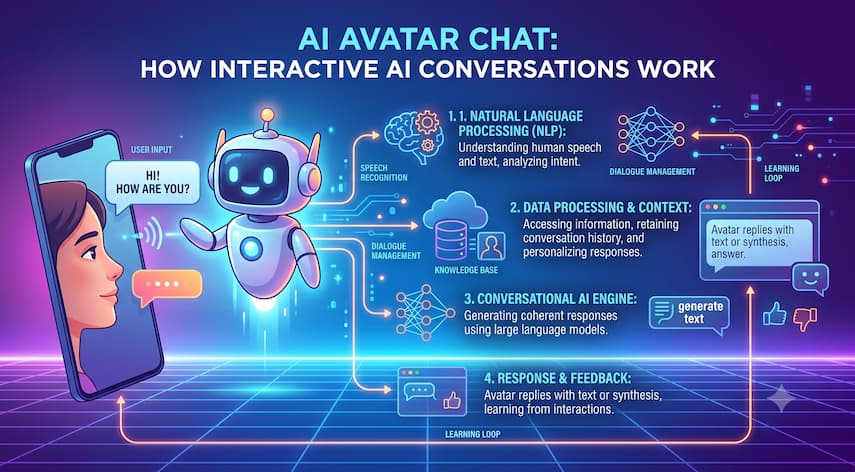
A chat window with a typing indicator used to be the standard for AI-powered customer interaction. Now, a growing number

An auction catalog tells you far more than what is for sale. If you know how to read it, it
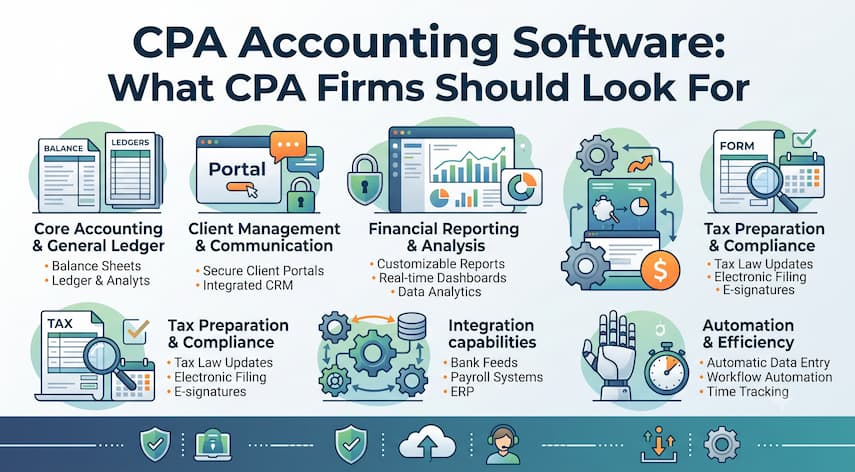
Choosing accounting software is rarely the hard part for a CPA firm. Choosing software that fits how the firm actually