How Long Do Allergic Reactions Last?
Introduction
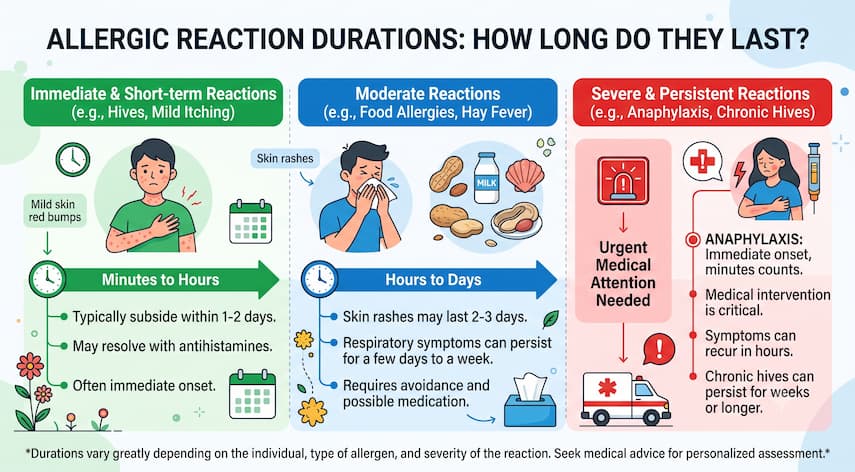
There is no single answer to how long an allergic reaction lasts. Some reactions fade within an hour, others linger for days, and a few require emergency treatment within minutes. Duration depends on the type of reaction, the allergen involved, how much exposure occurred, how severe the symptoms are, and how a person’s immune system responds.
At QueKnow, this guide walks through what shapes that timeline: onset speed, reaction type, symptom severity, and the point at which a reaction becomes a medical emergency. It does not diagnose your symptoms or tell you what you are allergic to. It’s meant to help you understand the general patterns so you can recognize when something needs professional evaluation.
What Is an Allergic Reaction?
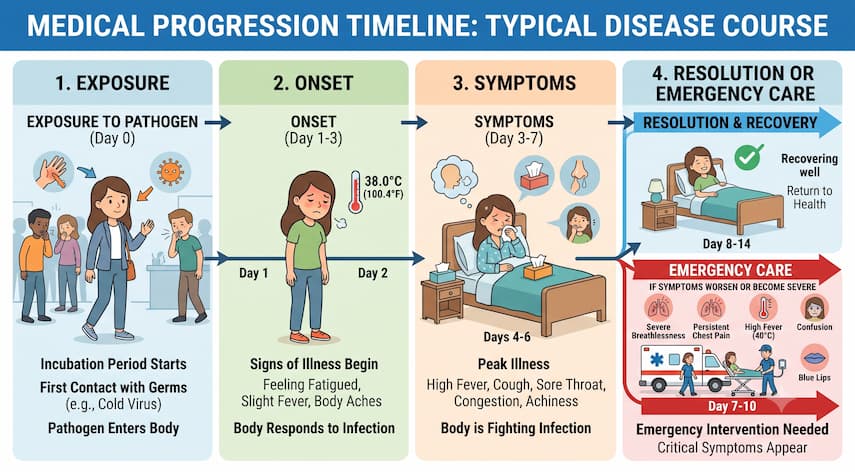
An allergy is a heightened sensitivity of the immune system to a substance, called an allergen, that is normally harmless. An allergic reaction is what happens when the body encounters that allergen and the immune system responds as though it were a threat.
During this response, the immune system releases chemical mediators, including histamine, which trigger the symptoms people associate with allergies: itching, swelling, redness, and in some cases, more widespread effects on breathing or circulation. The allergy itself is the underlying sensitivity; the allergic reaction is the active immune event that occurs after exposure.
What Causes Allergic Reactions?
Allergic reactions can be triggered by many substances, including:
- Foods, such as nuts, shellfish, eggs, or dairy
- Medications, including certain antibiotics
- Insect stings or bites
- Pollen from trees, grasses, or weeds
- Dust mites
- Animal dander
- Latex
- Substances that contact the skin directly, such as certain metals or cosmetics
This list is not exhaustive. Many other substances can act as allergens depending on an individual’s immune response.
Allergic Reaction Types
Reactions differ in how quickly they appear, how widespread they are, and how severe they become. Understanding these categories can help explain why duration is so variable.
| Reaction Type | General Pattern |
|---|---|
| Immediate | Begins within minutes of exposure; often the fastest to resolve once exposure ends, but can also escalate quickly |
| Delayed | May appear hours or even a day or more after exposure; duration can be harder to predict |
| Mild | Limited symptoms, often localized, such as itching or a small rash |
| Severe | Widespread or intense symptoms that may involve breathing or circulation |
| Localized | Confined to one area of the body, such as skin contact with an allergen |
| Systemic | Affects multiple body systems at once and may indicate a more serious reaction |
Reaction patterns should not be self-diagnosed from symptoms alone. A healthcare professional can help clarify what type of reaction has occurred.
How Long Do Allergic Reactions Last?
This is the central question, and the honest answer is that it depends on several interacting factors:
- Reaction type — immediate reactions may resolve faster once exposure ends, while delayed reactions can persist longer or be harder to track.
- Allergen — some allergens clear the body faster than others, which can influence how long symptoms remain active.
- Exposure duration — a brief exposure, like a single insect sting, differs from ongoing exposure, such as ambient pollen in the air.
- Continued exposure — if a person keeps encountering the allergen, symptoms may persist or recur rather than resolve.
- Symptom severity — mild, localized symptoms often behave differently than widespread or severe symptoms.
- Individual immune response — the same allergen can affect two people very differently.
Mild reactions may improve within a few hours to a couple of days once exposure ends. Some skin-related symptoms, such as hives or rash, can take longer to fully clear. There is no fixed timeline that applies to everyone, and persistent or worsening symptoms should always be evaluated by a healthcare professional rather than assumed to be following a “normal” course.
How Long Do Allergic Reactions Take to Start?
Onset timing varies just as much as duration does:
- Immediate reactions often begin within minutes of exposure, such as itching or swelling shortly after an insect sting or eating a trigger food.
- Delayed reactions may not appear until hours later, and in some cases, closer to a day after exposure, which can make the connection to a specific trigger less obvious.
Onset timing alone cannot reliably identify the cause of a reaction. Two very different allergens can produce a similar speed of onset, and the same allergen can behave differently from one exposure to the next.
How Long Does an Allergic Reaction Last After Exposure Ends?
Symptoms do not always stop the moment exposure ends. The immune response that has already been triggered may continue for some time afterward, even without further contact with the allergen. If exposure continues, whether through repeated contact, inhaled allergens like pollen, or an allergen still present in the body, symptoms may persist or fluctuate rather than resolve on a predictable schedule.
Symptoms that continue for an extended period, keep coming back, or gradually worsen rather than improve are a reasonable reason to seek professional evaluation.
Mild Allergic Reactions
Mild allergic reactions commonly involve:
- Localized itching
- A small, contained rash
- Sneezing
- Watery eyes
- Mild nasal congestion or runny nose
- A limited area of hives
It is not possible to confirm from a description alone that a reaction is mild. Symptoms that seem minor can sometimes change quickly, so it’s worth paying attention to how symptoms evolve rather than assuming they will stay the same.
Allergic Reaction Symptoms
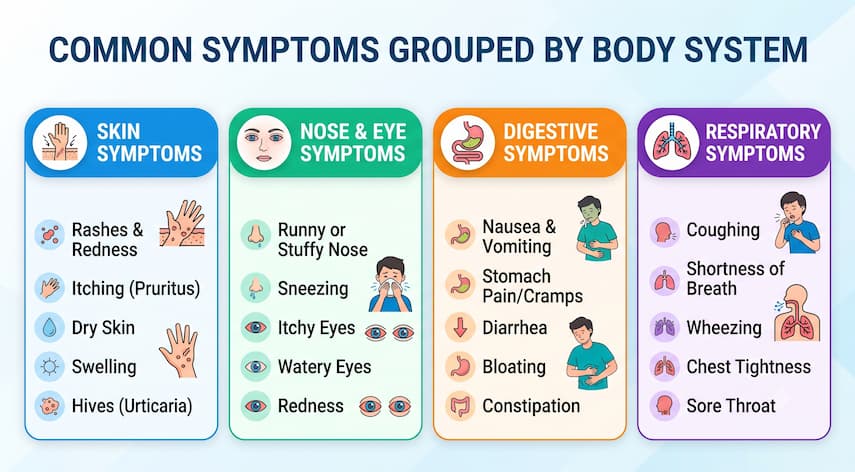
Symptoms are often grouped by the body system involved.
Skin
- Hives
- Itching
- Redness
- Rash
- Localized swelling
Nose and Eyes
- Sneezing
- Runny nose
- Nasal congestion
- Watery or itchy eyes
Digestive System
- Nausea
- Abdominal discomfort
- Vomiting
- Diarrhea
Respiratory System
- Coughing
- Wheezing
- Difficulty breathing
Respiratory difficulty or significant swelling, particularly around the face, lips, or throat, can indicate a more serious reaction and should be treated as a possible medical emergency.
What Do Allergic Reactions Look Like?
Visible signs of an allergic reaction can include hives, patches of redness, a localized rash, or noticeable swelling, most often on the skin, face, lips, or eyes. Appearance alone cannot reliably confirm severity or identify the cause. A reaction that looks mild on the skin can still be part of a more serious systemic response, which is why other symptoms, like breathing changes, matter just as much as visible signs.
What Does an Allergic Reaction Feel Like?
People describe allergic reactions in different ways, including:
- Itching
- Warmth in the affected area
- Tingling, especially around the mouth or lips
- Swelling
- A feeling of tightness in the throat
- Difficulty breathing
- Gastrointestinal discomfort
Because sensations vary so widely between individuals and reactions, it’s difficult to generalize what a “typical” allergic reaction feels like.
Allergies vs. Allergic Reactions
| Allergy | Allergic Reaction |
|---|---|
| Underlying immune sensitivity to a substance | The active immune response after exposure |
| Can persist over time as a general condition | Can be acute or delayed, occurring around a specific exposure |
| May cause recurring symptoms with repeated exposure | Symptoms occur as a direct response following exposure |
| Does not always mean an emergency | Severity can range from mild to life-threatening |
An allergy is the ongoing sensitivity; an allergic reaction is what happens when that sensitivity is triggered.
Can Allergies Go Away?
Whether an allergy changes over time varies from person to person and allergen to allergen. Some allergies, particularly certain childhood food allergies, may lessen or resolve as the immune system changes with age. Others, including many environmental or insect-sting allergies, tend to persist long-term for many individuals.
There is no way to guarantee that a specific allergy will fade or disappear, and changes in sensitivity should be confirmed through appropriate medical evaluation rather than assumed based on time passing or symptoms seeming less noticeable.
Pollen Allergy and Pollen Rash
Pollen allergies most commonly cause respiratory and eye symptoms, such as sneezing, nasal congestion, and itchy or watery eyes, since pollen is typically inhaled or contacts the eyes. Skin rashes are sometimes linked to pollen exposure, particularly with direct skin contact, but a rash can also have many other causes unrelated to pollen. A rash should not automatically be assumed to be a pollen allergy without further evaluation.
What If You Do Not Know What You Are Allergic To?
Not knowing the specific trigger behind a reaction is common, especially with delayed reactions or first-time exposures. Identifying an allergen typically requires evaluation by an appropriate healthcare professional, who may use a combination of history, symptom patterns, and testing. Symptom patterns alone are not a reliable way to self-diagnose a specific allergen.
When to Seek Urgent or Emergency Care
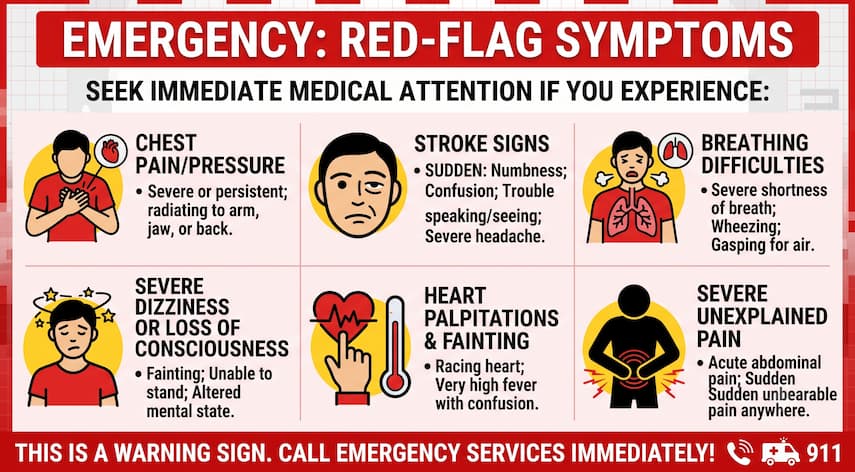
Some allergic reactions escalate quickly and become medical emergencies. Seek immediate emergency care if a reaction involves:
- Difficulty breathing
- Swelling of the throat or tongue
- Difficulty swallowing
- Fainting or severe dizziness
- Signs of circulatory compromise, such as a rapid or weak pulse combined with lightheadedness
- Symptoms that are rapidly worsening
Suspected anaphylaxis is a medical emergency. Seek emergency medical care immediately.
Do not assume a reaction is safe simply because it started recently or seemed mild at first. Severe reactions can develop quickly, and rapid changes in symptoms warrant urgent attention.
Common Misconceptions
- “Every rash is an allergy.” Rashes have many possible causes, including infections, irritants, and skin conditions unrelated to allergies.
- “Every allergic reaction starts immediately.” Some reactions are delayed by hours, making the connection to a trigger less obvious.
- “Mild symptoms can never become serious.” Reactions can escalate, so changes in symptoms deserve attention regardless of how they started.
- “Once exposure stops, symptoms must stop immediately.” The immune response can continue for a period even after exposure ends.
- “Allergy symptoms and allergic reactions are always the same thing.” Ongoing allergy symptoms differ from an acute allergic reaction, which is a distinct immune event tied to a specific exposure.
Patient Guidance
If you’re trying to understand a reaction you’ve experienced, it can help to:
- Note when symptoms began relative to any possible exposure
- Identify anything new you ate, touched, or were exposed to recently
- Document how symptoms have changed over time, including improvement or worsening
- Avoid triggers that have already been medically identified
- Seek medical evaluation for symptoms that are persistent, recurrent, or concerning
This guidance is general and not a substitute for a personalized treatment plan from a healthcare provider.
A Note on Uncertainty
Allergic reaction duration is genuinely variable, and that uncertainty can be unsettling. It’s reasonable to want a clear timeline, but the honest answer depends on the specific circumstances involved. Professional evaluation can help make sense of symptoms that don’t seem to be following an expected pattern, and seeking that clarity is a practical step, not an overreaction.
If you are unsure what may be causing persistent or recurring allergy symptoms, consult an appropriate healthcare professional for an individualized assessment.
Frequently Asked Questions
How long does an allergic reaction usually last?
It depends on the type of reaction and allergen involved. Mild, localized reactions may ease within hours to a couple of days after exposure ends, while some skin symptoms take longer to clear. There’s no single timeline that applies to every reaction or every person.
How quickly can an allergic reaction start?
Immediate reactions can begin within minutes of exposure. Delayed reactions may not appear for hours, or occasionally closer to a day later. Onset speed alone cannot confirm the cause of a reaction.
Can a mild allergic reaction last for several days?
Yes, some mild symptoms, particularly certain skin reactions, can persist for several days depending on the allergen and individual response. Persistent symptoms are still worth monitoring for any changes.
What does an allergic reaction feel like?
Sensations vary and can include itching, warmth, tingling, swelling, or throat tightness. Some reactions also involve digestive discomfort or breathing changes. Feelings differ significantly between individuals and reaction types.
What do allergic reactions look like?
Common visible signs include hives, redness, localized rash, or swelling, often on the skin, face, or eyes. Appearance alone cannot reliably indicate how serious a reaction is or confirm its cause.
Can allergies go away on their own?
Some allergies, especially certain childhood food allergies, may lessen over time, while others persist long-term. Whether a specific allergy changes cannot be predicted without professional evaluation.
Can allergy symptoms continue after exposure ends?
Yes. The immune response already triggered by exposure can continue for a period afterward, and ongoing or repeated exposure can prolong or renew symptoms.
How can you tell if an allergic reaction is serious?
Warning signs of a serious reaction include difficulty breathing, throat or tongue swelling, difficulty swallowing, fainting, or rapidly worsening symptoms. Any of these require immediate emergency care.
Can pollen cause a rash?
Pollen most often causes respiratory and eye symptoms, but skin contact with pollen can sometimes contribute to a rash. Rashes can also have other unrelated causes, so pollen should not be assumed as the source without evaluation.
When should you seek emergency care for an allergic reaction?
Seek emergency care immediately for breathing difficulty, throat or tongue swelling, trouble swallowing, fainting, severe dizziness, or symptoms that are rapidly worsening. Suspected anaphylaxis always requires emergency treatment.
Medical Disclaimer: This article is for general educational purposes only and does not provide medical advice, diagnosis, or treatment. If you are experiencing a severe or rapidly worsening allergic reaction, seek emergency medical care.

Mike Farrier is a seasoned technology journalist, digital trends researcher, and Senior Editor at Queknow. With over a decade of hands-on experience spanning web architecture, emerging tech, digital consumer products, and data-driven market insights, Mike bridges the gap between complex topics and actionable knowledge. He leads the editorial team to deliver rigorously fact-checked, up-to-date guides and comprehensive analysis across digital lifestyle, enterprise technology, and online business ecosystems. When not analyzing industry shifts, Mike actively tests consumer software and contributes to tech forums.
Recommended For You
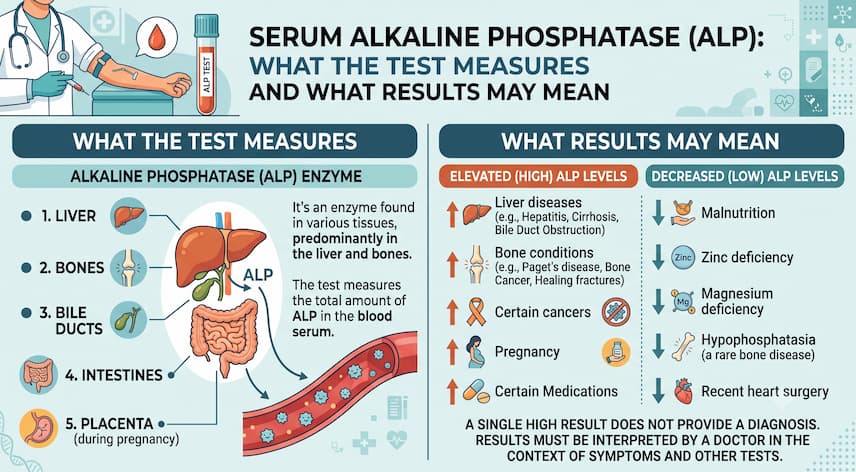
What Is Serum Alkaline Phosphatase? Alkaline phosphatase is an enzyme, a type of protein that helps speed up specific chemical

Boundaries often get misunderstood, especially in families affected by addiction, mental health struggles, or long-standing conflict. They can sound cold.
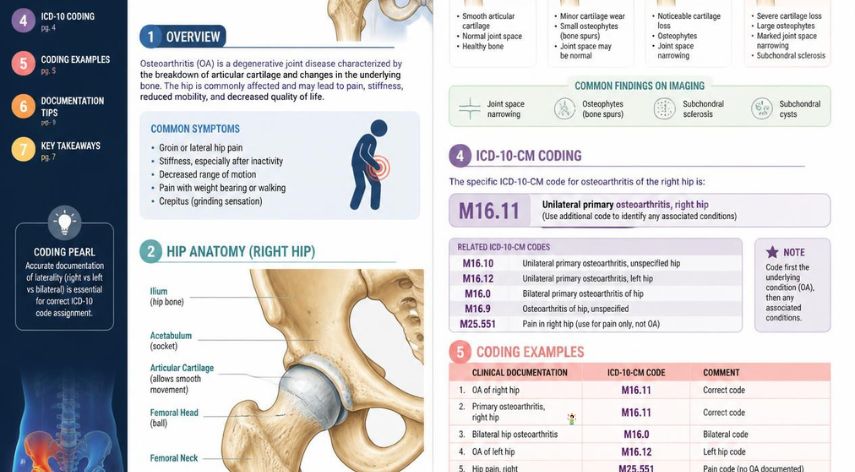
Hip osteoarthritis (OA) is a common joint condition that develops as cartilage in the hip wears down over time. It